Mort the Meek #3: Mort the Meek and the Perilous Prophecy – Rachel Delahaye

Illustrations – George Ermos

Welcome to Brutalia, where the smell hits you before the locals do. I’m proud to say that my visits thus far have not resulted in ravens eating my eyes. I’ve also somehow managed to avoid being mauled or hugged to death by a Grot Bear.

So why would I want to brave the dangers of Crashbang Cove to return to a decidedly unwelcoming, rat infested island where the locals extend “fists of ferocity”? 

Well, it might have something to do with a trio of locals whose ethos doesn’t quite line up with that of their fellow Brutalians.

“Fighting for what’s right without fighting is always a bit of a struggle,” Mort said. “But, if we surrender, the war on violence will be over.”

Mort, his best friend Weed and tone deaf Punky comprise three quarters of the Pacifist Society of Brutalia. When I tell you Mort and Weed are about to go to war, you’ll understand they’re not exactly thrilled about it.

In this book we meet the locals of Bonrock, who may seem friendly but are they really more interested in torture? We also encounter war toucans, watch poor Doris get demoted and are introduced to Brutalia’s new soup sayer!

I always look forward to the quips at the beginning of each chapter in this series. In the first book, these were made by a couple of chatty, eye hungry ravens. In the second book, we met lobsters Larry and Bruce. This time, we’re introduced to Ratto and Ratty.

Brutalia has long been a place where a misunderstood homonym can result in grievous bodily harm. When you read the author’s bio and discover they studied linguistics, it makes sense how much fun words get to have in this series. It’s easy to imagine the homonyms hanging out with the homophones and the synonyms playing hide and seek with the similes. 

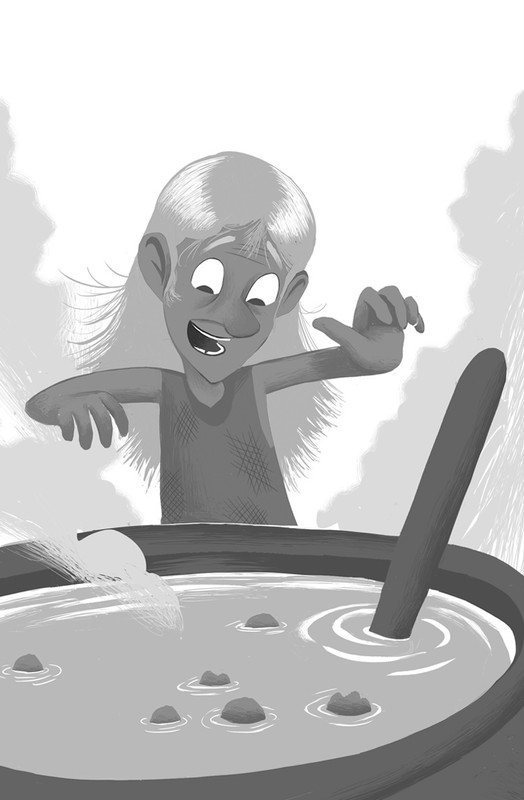
George Ermos’ cover image was what interrupted my scrolling long enough for me to read the blurb of the first book. The illustrations in this book add to the humour. The characters are expressive and there are plenty of fighty, ratty and soupy moments.

Come to Brutalia, where the locals “live like cockroaches and smell like a thousand demon farts”. You won’t be disappointed, although you may need a long, hot shower when you get home.

Favourite no context quote:

“I listen only to the soup.”

Readers with emetophobia may have trouble with some scenes.

Thank you so much to NetGalley and Stripes Publishing, an imprint of Little Tiger Group, for the opportunity to read this book.

Rating: 5 out of 5.

Once Upon a Blurb

When Brutalia’s ever suspicious Queen is forewarned of a new enemy – a nearby island called Bonrock – Mort is worried. As a pacifist, he’s a firm believer that strangers are just friends they haven’t met yet. Then he and his best friend and fellow pacifist Weed are sent to the island to investigate.

But Bonrock is a warm and welcoming place, with luscious landscapes and tropical waters. Mort’s relieved – there’s no need to fight! Until they stumble upon something terrifying… Perhaps there really is trouble in paradise?

Catfish Rolling – Clara Kumagai

There’s a catfish under the islands of Japan. That’s what shakes everything up: the catfish twisting and turning in the mud beneath us. It rolls and the ground trembles, water crashes, time cracks and breaks.

I hate that catfish.

Sora was only eleven years old when the catfish rolled in a way that changed everything. Time became something that was variable. In some place, time ticked away as it always had. In others, time slowed or sped up.

Sora and her father have been left to try to make sense of their new world, one that doesn’t include her mother.

We had been shaken. Our entire world shook.

This book is so many things I love to read about, all meshed together in a way that felt like time had changed for me too. There was the urgency I associate with a compulsive read but this was at odds with an almost tranquil feeling, as though I was casually wandering around absorbing everything this world had to offer.

It’s magical realism, it’s mythology, it’s philosophy, it’s sciency. It’s how the tremors and earthquakes we experience in our lives unbalance us. It’s figuring out who you are in a world that no longer makes sense to you. It’s the impact of grief on individuals and families over time.

I want to say it’s wibbly-wobbly timey-wimey … stuff, acknowledging it’s very likely I’ve bungled the reference entirely. Maybe it doesn’t fit this book at all but when I think about how time works in Sora’s world, wibbly-wobbly timey-wimey just sounds right.

Time runs as we expect it to. Time runs fast. Time runs slow. Some fast time runs faster than other fast time. Some slow time runs slower than other slow time. And the people in Sora’s world are only barely beginning to understand what it all means.

While I was satisfied with the answers I found, a number of my questions remain unanswered. Part of me is content to imagine exploring Sora’s world to gradually discover the answers myself. Another part of me wants bonus material in the form of newspaper articles, research papers and journal articles by the experts of this world: philosophers, scientists and historians, all sharing their theories.

‘We can get stuck in time, and time can get stuck in us’

Thank you so much to NetGalley and Zephyr, an imprint of Head of Zeus, for the opportunity to read this book.

Rating: 4.5 out of 5.

Once Upon a Blurb

Magic realism blends with Japanese myth and legend in an original story about grief, memory, time and an earthquake that shook a nation.

There’s a catfish under the islands of Japan and when it rolls the land rises and falls.

Sora hates the catfish whose rolling caused an earthquake so powerful it cracked time itself. It destroyed her home and took her mother. Now Sora and her scientist father live close to the zones – the wild and abandoned places where time runs faster or slower than normal. Sora is sensitive to the shifts, and her father recruits her help in exploring these liminal spaces.

But it’s dangerous there – and as she strays further inside in search of her mother, she finds that time distorts, memories fracture and shadows, a glimmer of things not entirely human, linger. After Sora’s father goes missing, she has no choice but to venture into uncharted spaces within the time zones to find him, her mother and perhaps even the catfish itself…

Manga Classics: Les Misérables – Victor Hugo

Story Adapter – Crystal S. Chan

Illustrations – SunNeko Lee

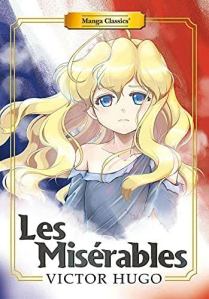
The Manga Classics series was my introduction to manga. I decided I loved it immediately but it still always surprises me how much I enjoy the format each time I delve into another one.

This manga tackles Les Misérables, whose story I previously knew from the 2012 movie starring Hugh Jackman, Russell Crowe and Anne Hathaway. Because this story is so well known, my knowledge of it even before I saw the movie felt fairly complete, as though I’d absorbed it by osmosis. Needless to say, the story needs no introduction.

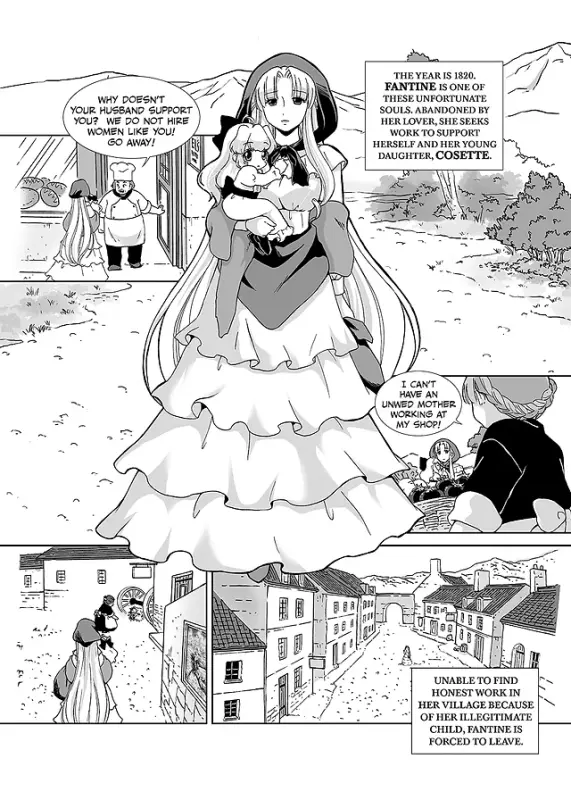
I really enjoyed the illustrations in this manga. Fantine and Cosette with doe eyes are absolutely adorable.

description

The story was easy to follow and the characters were expressive, making it easy to read the emotion of each scene. I’m keen to read more Manga Classics.

Thank you to NetGalley and UDON Entertainment for the opportunity to read this book.

Rating: 4 out of 5.

Once Upon a Blurb

Victor Hugo’s classic novel of love and tragedy during the French Revolution is reborn in this fantastic new manga adaptation by Crystal S. Chan! In 19th-century France, Jean Valjean, who for decades has been hunted by the ruthless policeman Javert after breaking parole, agrees to care for a factory worker’s daughter. The decision changes their lives forever. “Les Mis” has been adapted for stage and screen, and loved around the world by millions of readers. The gorgeous art of SunNeko Lee brings to life the tragic stories of Jean Valjean, Inspector Javert, and the beautiful Fantine, in this epic Manga Classics production of Les Misérables!

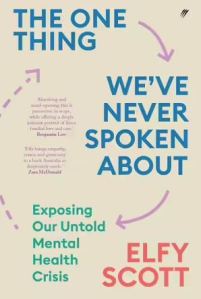
The One Thing We’ve Never Spoken About – Elfy Scott

I know quite a few people who live with depression, anxiety, PTSD, OCD and bipolar disorder, but no one has disclosed to me that they live with schizophrenia. This is not to say I don’t know anyone living with this condition, only that so much stigma is attached to schizophrenia that people often don’t feel comfortable sharing their diagnosis with the people in their life. I’m hopeful that books like this one will help break the silence that surrounds it.

Prior to reading this book I probably could have muddled my way through the DSM-5 criteria and maybe rattled off some statistics. However, the only times I’ve only heard from people who’ve been diagnosed with schizophrenia is in documentaries about mental health whose focus is invariably on the more well known diagnoses of depression and anxiety. The stories about those with schizophrenia were told in passing, usually referred to in hushed voices and terminology that you’d expect more in reference to people who are terminally ill.

The truth is, the schizophrenia many of us think we know fails to reflect the reality of the schizophrenia that most people experience.

In this book, the author opens up the conversation about what life looks like for people living with schizophrenia and their loved ones. They look at environmental risk factors, such as trauma and poverty, and explore the stigma that surrounds diagnosis and the different models of mental health. Contrary to their portrayal in the media, people with schizophrenia are more likely to be victims of violence than perpetrators.

The importance of peer support and the limitations of our health care, housing and justice systems are explained. The experiences of a number of people living with schizophrenia are told throughout the book, and it becomes abundantly clear the role privilege plays in the way schizophrenia is treated (or not) and how individuals are able to manage their condition.

I was encouraged by how well the author’s mother’s schizophrenia has been managed but was also very aware of the privilege that facilitated such positive outcomes. Being able to afford and access appropriate medical care from the time that symptoms appear, as well as having secure housing and a network of supportive family and friends are luxuries that many people don’t have.

I was relieved that Elfy’s mother didn’t have to deal with a lot of the struggles that other people diagnosed with mental illness face but, as someone who needs to advocate for myself in a broken health system, I also found myself envious of the privilege that allowed her to get the treatment she’s needed when she’s needed it. I imagine if I was reading this book as a family member of someone diagnosed with schizophrenia, this disparity would hit me even harder.

The author openly acknowledges this privilege. This book also includes the voices of people who I expect would represent the majority of people who live with schizophrenia, those who don’t have access to adequate medical care and who don’t have secure housing and an abundance of supportive people in their life.

Even with all of the resources their family had, their mother’s schizophrenia was an open secret for Elfy and her siblings when they were growing up.

Her condition didn’t feel shameful to speak about so much as it just felt quite scary and dark – too jarring to make sense in our day-to-day lives outside of the house and too big to concern other people with. And so it became a secret.

One of my pet peeves, talking about what we’re going to talk about before getting into the talking about it, was present in this book. To be fair, this is something I come across more often than not in nonfiction reads and it probably says more about my impatience to get on with the learning than anything else. Once I made it past the introductory material, the stories shared by the people with lived experience hooked me.

Where this book shone was its inclusion of the voices of so many people living with schizophrenia, as well as schizoaffective disorder and bipolar disorder. Diagnostic criteria and statistics can only take you so far. It should go without saying but if you want an understanding of what it’s like to live with a condition, listening to the people who know it from the inside is invaluable. You can know in theory that people who live with schizophrenia experience stigma but until someone with lived experience explains how that impacts them personally, you can stay several steps removed from that reality.

If a quarter of all Australians are affected by a complex mental health condition in some way, whether through firsthand experience or by way of a relative or friend, then we’re forced to ask: Why aren’t we talking about these issues on a national scale? Why does it seem like nobody cares? And who does it serve for us not to care?

Thank you so much to NetGalley and Pantera Press for the opportunity to read this book.

Rating: 4 out of 5.

Once Upon a Blurb

An investigation into the failings of Australia’s mental healthcare system, grounded in a personal story of a mother–daughter relationship.

Journalist Elfy Scott grew up in a household where her mother’s schizophrenia was rarely, if ever, spoken about. They navigated this silence outside the family home too; for many years, this complex mental health condition was treated as an open secret.

Over the past two decades, we have started talking more about common mental health conditions like depression and anxiety. But complex conditions like schizophrenia, bipolar disorder and psychosis have been left behind, as have many of the people who live with these conditions or who care for them.

Part memoir, part deep-dive investigation, The One Thing We’ve Never Spoken About is filled with rage at how our nation’s public discourse, emergency services and healthcare systems continue to fail so many people. It is also a work of care, telling the little-heard stories of people who live with these conditions and work at the front lines of mental health. Above all, this timely, compelling book is informed by hope and courage, breaking down taboos and asking big questions about vulnerability, justice and duty of care.

The Colors of History – Clive Gifford

Illustrations – Marc-Etienne Peintre

This book takes you on a whirlwind trip around the world and through time to teach you the origin stories and fun facts about colour. Each group of colours includes a brief introduction that includes what it has represented over time. For example, yellow is the colour of sunshine but it can also represent illness and cowardice.

The story of yellow contains yellow ochre, chrome yellow, gamboge, Inca gold, saffron and orange.

The reason saffron is the most expensive colour is because to harvest a pound (453.6 grams) of it, you need between 55,000 and 85,000 flowers.

The story of red contains cochineal, vermillion, pink, red ochre and mummy brown.

In some societies in the 19th and early 20th centuries, pink was reserved for young boys, not girls. Red was thought of as a strong, manly color, and as pink came from red mixed with white, it was not thought of as suitable for delicate girls.

description

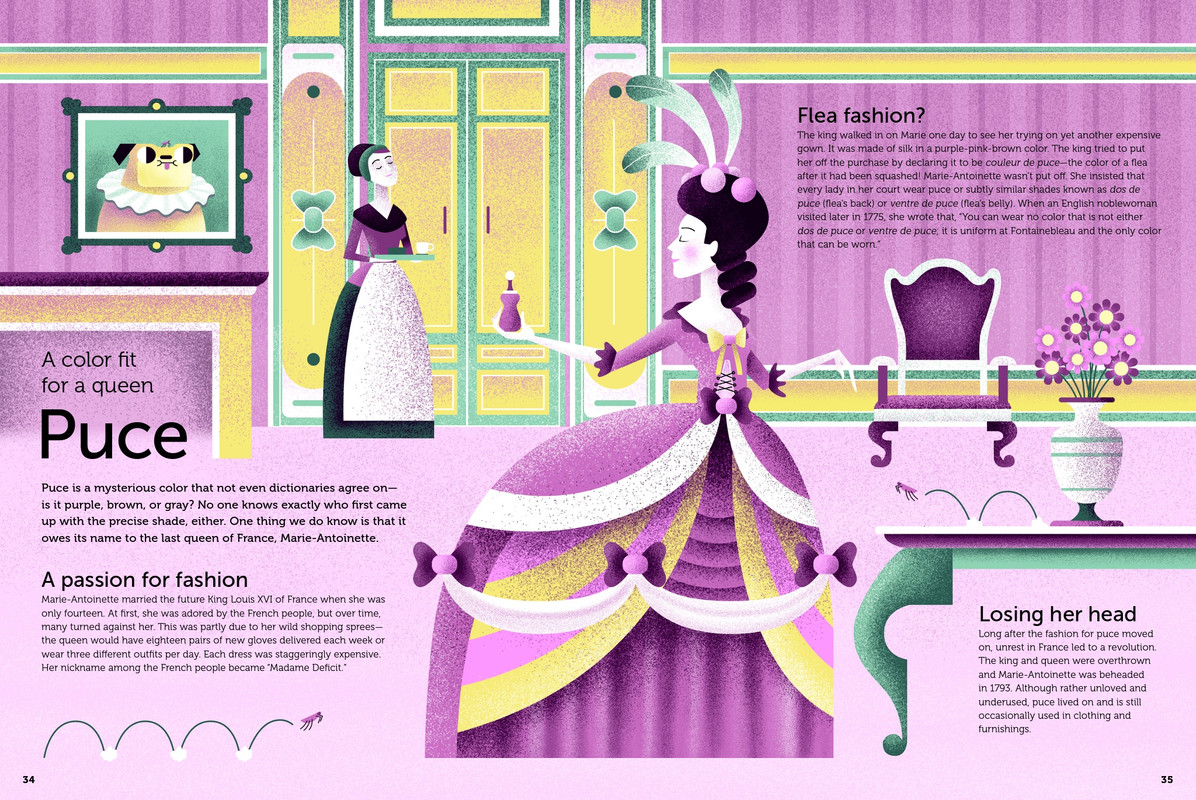
The story of purple contains puce, Tyrian purple and archil.

The king walked in on Marie one day to see her trying on yet another expensive gown. It was made of silk in a purple-pink-brown color. The king tried to put her off the purchase by declaring it to be couleur de puce – the color of a flea after it had been squashed! Marie-Antoinette wasn’t put off. She insisted that every lady in her court wear puce or subtly similar shades known as dos de puce (flea’s back) or ventre de puce (flea’s belly).

The story of blue contains indigo, Prussian blue, Egyptian blue, ultramarine and woad.

A plant called woad grows throughout Europe. Its pretty yellow flowers bloom in fields and meadows, but its crushed leaves make a strong blue dye. It was used to color cloth, and some people – such as Celts in ancient Britain – applied it as a war paint.

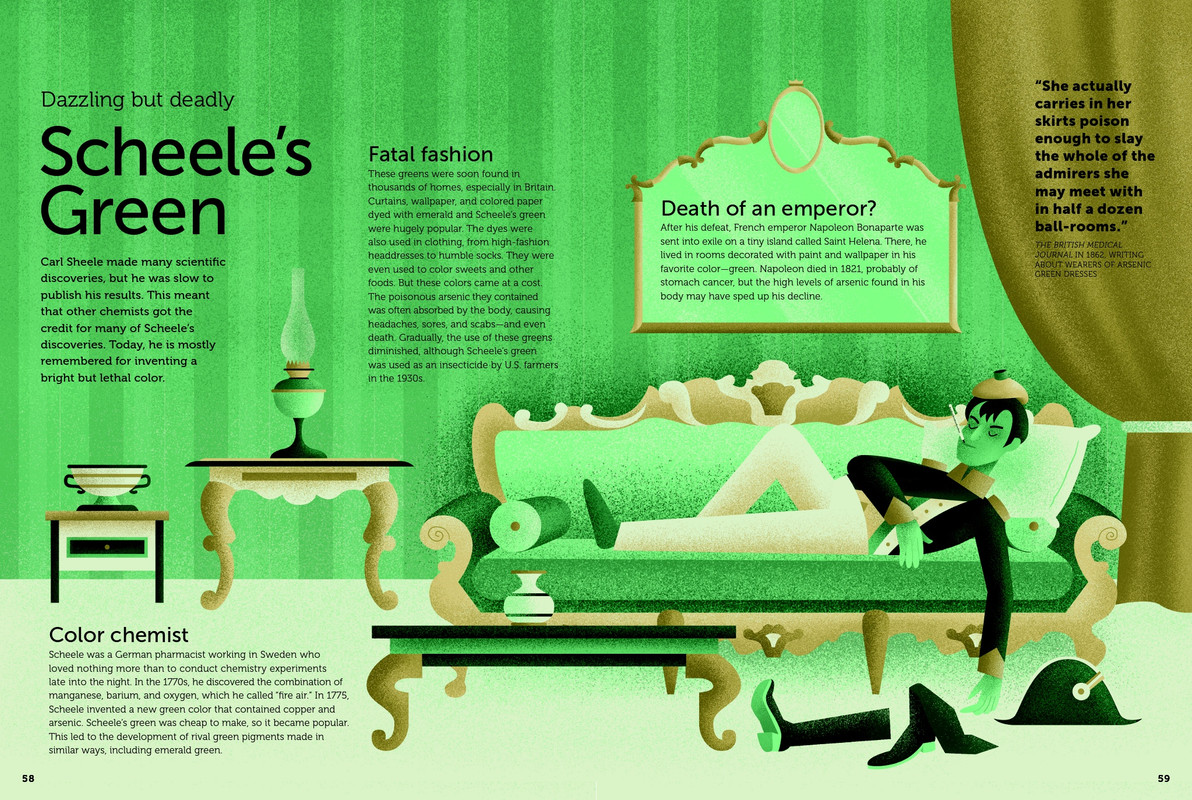
The story of green contains verdigris, Irish and Kelly green, and Scheele’s green.

Scheele, a German pharmacist working in Sweden, enjoyed conducting chemistry experiments. In 1775, he invented a new green. It contained copper and arsenic. It was cheap to make, popular and accidentally deadly.

description

Then we wrap it up with kohl black and graphite, and lime and lead white.

Kohl was first used more than 5,000 years ago in ancient Egypt, where men and women drew thick lines of kohl around their eyes. It kept their eyes from being dazzled by the sun, but they also believed it had magical protective powers.

I’m always keen to store up some new fun facts and enjoyed this journey through the rainbow. Kid me wouldn’t have read this book for fun but definitely would have used it for a school project.

Thank you so much to NetGalley and QEB Publishing, an imprint of Quarto Publishing Group, for the opportunity to read this book.

Rating: 4 out of 5.

Once Upon a Blurb

A truly unique approach to history and a fascinating read that is guaranteed to keep boredom at bay.

Why did Roman emperors wear purple? Which colour is made from crushed beetles? What green pigment might be used to build super-fast computers of the future? Find out the answers to these and many more questions in this vibrant exploration of the stories behind different colours, and the roles they’ve played throughout history. From black to white, and all the colours in between, every shade has a story to tell. Each colour group is introduced with a stunning and interpretive double-page spread illustration, followed by illustrated entries exploring the ‘colourful’ history of particular shades. With vivid, thought-provoking illustrations and engaging bite-sized text, this book is a feast for the eyes and the mind, ready to enthral budding artists and historians alike.

Amazing World: Bugs – L.J. Tracosas

If you know me at all, you know that I’m just the teeniest bit obsessed with fun facts. This book is essentially Fun Facts: Bug Edition, so a must read for me.

All bugs are arthropods, meaning they all have a joint in the leg or foot, exoskeletons and are symmetrical. After explaining what they are and highlighting some of the ways they protect themselves, this book introduces you to twenty bugs.

You’ll learn where they live, what they eat and how big they are. At the end of the book there’s a glossary. I definitely learned some new words today.

Because I can’t help myself, I need to tell you my favourite fun fact for each bug.

When a Click Beetle is in danger it flips itself over and plays dead. Only it can’t flip back so it flings itself into the air over and over again until it lands the right way.

The body of a Spiny Flower Mantis mimics flower petals, which brings their food to them.

Daddy Longlegs aren’t spiders. Seriously??? They’re part of the arachnid family but are more closely related to scorpions.

The Hickory Horned Devil Caterpillar turns into a regal moth, which doesn’t have a working mouth.

Firefly adults are generally vegetarian but when they’re young many of them are carnivores.

The Jewel Wasp can turn cockroaches into zombies. The process is ingenious but kinda gross.

The female Spiny Orbweaver makes the web and is larger and more brightly coloured than the male.

The Longhorn Beetle eats trees.

Like the hickory horned devil caterpillar, Luna Moths don’t live long enough to eat. Luna Moths are nocturnal.

The nose of some species of Lanternfly is almost half the size of its body.

The Goliath Beetle weighs up to 100 grams (4 ounces).

The Giraffe Weevil was first discovered in 2008. It lives in Madagascar.

If a predator catches a Stick Insect, it may be able to get away by detaching its leg. They grow back!

Glowworms aren’t actually worms. They’re the larvae of the fungus gnat.

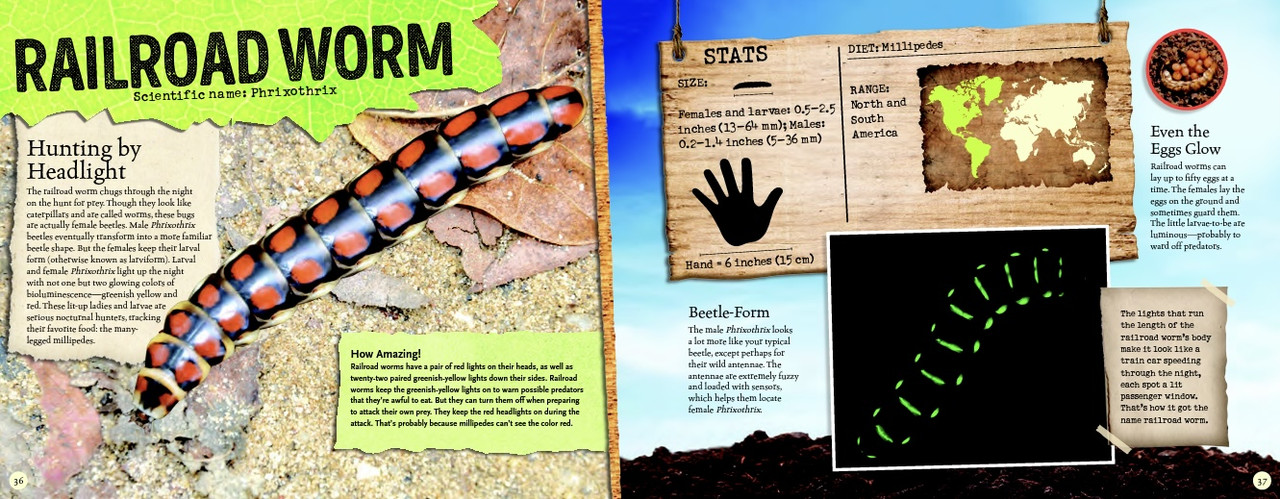
Because apparently we don’t call things what they are in the bug world, Railroad Worms are also not worms. They’re female beetles and they look amazing at night.

description

When they’re in danger, the Motyxia Millipede “will leak deadly cyanide and other yucky substances from the pores dotting their sides.”

What you know as a stink bug is actually called a Shield Bug.

Giant Devil’s Flower Mantis has a brilliant scientific name: Idolomantis diabolica.

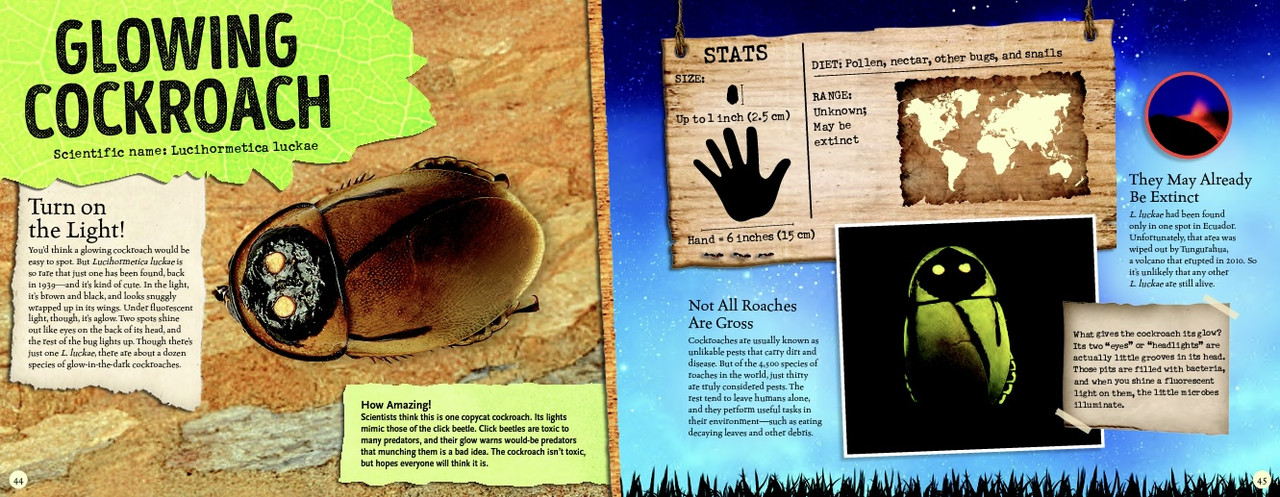
In 1939, someone found a Glowing Cockroach. Just the one and it’s the only one that’s ever been spotted. It’s kind of adorable though; when it glows it reminds me of someone wearing a cape.

description

The Hercules Beetle lives up to its name. It’s the world’s strongest insect and “can lift more than 800 times its weight.”

I liked the layout of this book. There wasn’t so much text that young readers would find it overwhelming and there are at least two photos of each bug. I loved that the size of each bug was shown in relation to the size of a hand.

This was an entertaining way to get today’s fun fact fix. I may need to visit Ecuador to see if I can find the second ever glowing cockroach.

Thank you so much to NetGalley and Chartwell Books, an imprint of Quarto Publishing Group, for the opportunity to read this book.

Rating: 5 out of 5.

Once Upon a Blurb

Amazing World: Bugs transports kids around the world to discover the lives of 20 strange and magnificent insects. Adding to the fun, the book includes 13 reusable glow in the dark plastic stickers.

From shimmering glowworms and fireflies to the extremely odd giraffe bug, every insect profile includes up close and personal, full colour photos of each amazing creature and tonnes of fun facts and easily digestible graphics. Kids learn about where each bug lives, what they eat, how they evade predators much, MUCH larger than they are, and so much more! 

Discover each bug’s unique skills for building and defence. Explore the fascinating characteristics of bugs like the lanternfly, which is named for its large snout, or the stick insect, which can blend in anywhere. 

Just a few of the intriguing bugs you will meet: 

  • Click Beetle 
  • Spiny Flower Mantis 
  • Daddy Longlegs 
  • Hickory Horned Devil Caterpillar 
  • Jewel Wasp 
  • Luna Moth 
  • Glowing Cockroach 
  • And more!

Enola Holmes: The Graphic Novels, Book Two – Serena Blasco

Translator – Tanya Gold

I was introduced to Enola Holmes in the first graphic novel collection, which are based on the first three books of Nancy Springer’s The Enola Holmes Mysteries. This collection adapts the final three books in the series: The Case of the Peculiar Pink Fan, The Case of the Cryptic Crinoline and The Case of Baker Street Station.

When we catch up with Enola at the beginning of this collection, she has yet to find her mother.

And finding someone who doesn’t want to be found is complicated.

In her first case, which begins in an unusual location (London’s first ladies’ public lavatory), Enola encounters a lot of pink. She also meets a man who’s the spitting image of Gomez Addams.

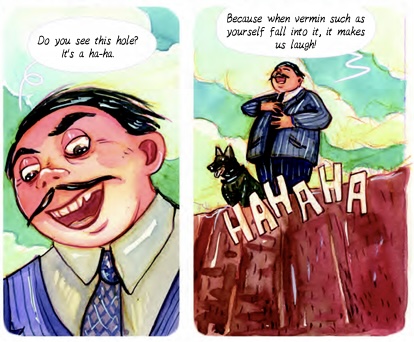
description

Enola’s second case involves a kidnapping. The victim? Her landlady, Mrs. Tupper. If you believe Florrie, the list of suspects includes anarchists and Jack the Ripper. Assisting Enola with this case is none other than Florence Nightingale. Enola makes a hasty exit.

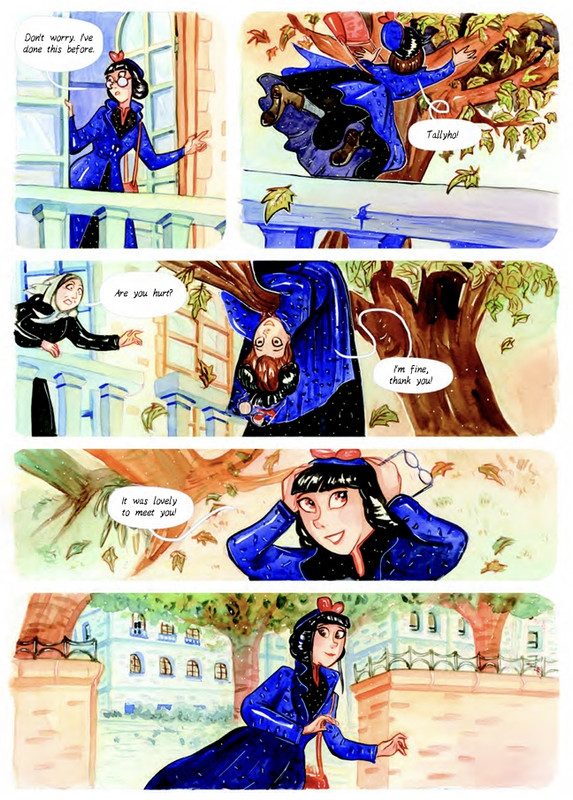
description

Continuing with the Addams Family references, Lurch makes a cameo in the second case.

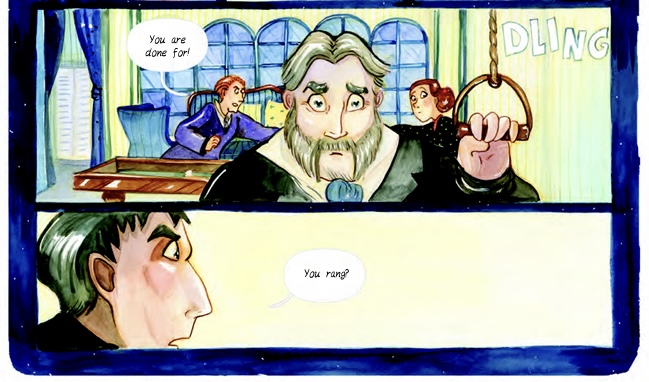
description

I kid you not. The character’s name is Lurch!

In her final case, Enola needs to find Lady Blanchefleur. Along the way, she learns her fortune.

“I see a dagger in your heart and a raven on your shoulder.”

Sounds kinda ominous.

Enola discovers the price of fashion and deciphers the most important message of her life. I haven’t found anything Addams adjacent in this story. Yet.

I’ve enjoyed getting acquainted with Enola in these graphic novels. While I’m confident I now know the basics of her story, I’m keen to read Nancy Springer’s books to get to know her better. Hopefully by the time I get to the final novel the way the big mystery of the series resolved will only be a fuzzy memory.

Thank you so much to NetGalley and Andrews McMeel Publishing for the opportunity to read this graphic novel.

Rating: 4 out of 5.

Once Upon a Blurb

In Book Two of the series, Enola is back on the case, deciphering clues and developing leads in each of three new mysteries. What she doesn’t know is that she, too, is being pursued – by her own brother! Once again, Sherlock Holmes’ brilliant, strong-willed younger sister takes centre stage in this delightfully drawn graphic novel based on Nancy Springer’s bestselling mystery series.

London, 1889. A woman is being held prisoner while she awaits a forced marriage. Another has been kidnapped, and yet another disappears…

As Enola seeks to rescue the three women, her brother embarks on a quest of his own. When Sherlock receives a mysterious package, he knows he’ll need Enola’s help to decipher its meaning. In the end, the three Holmes siblings will have to work together to answer the question that started it all: What happened to their mother?

Book Two contains three engrossing mysteries: The Case of the Peculiar Pink Fan, The Case of the Cryptic Crinoline, and The Case of Baker Street Station.

Frank and Bert: The One Where Bert Learns to Ride a Bike – Chris Naylor-Ballesteros

Frank and Bert’s friendship is everything! I first met these best friends when they were playing hide-and-seek. Bert wasn’t brilliant at it but he sure was enthusiastic. 

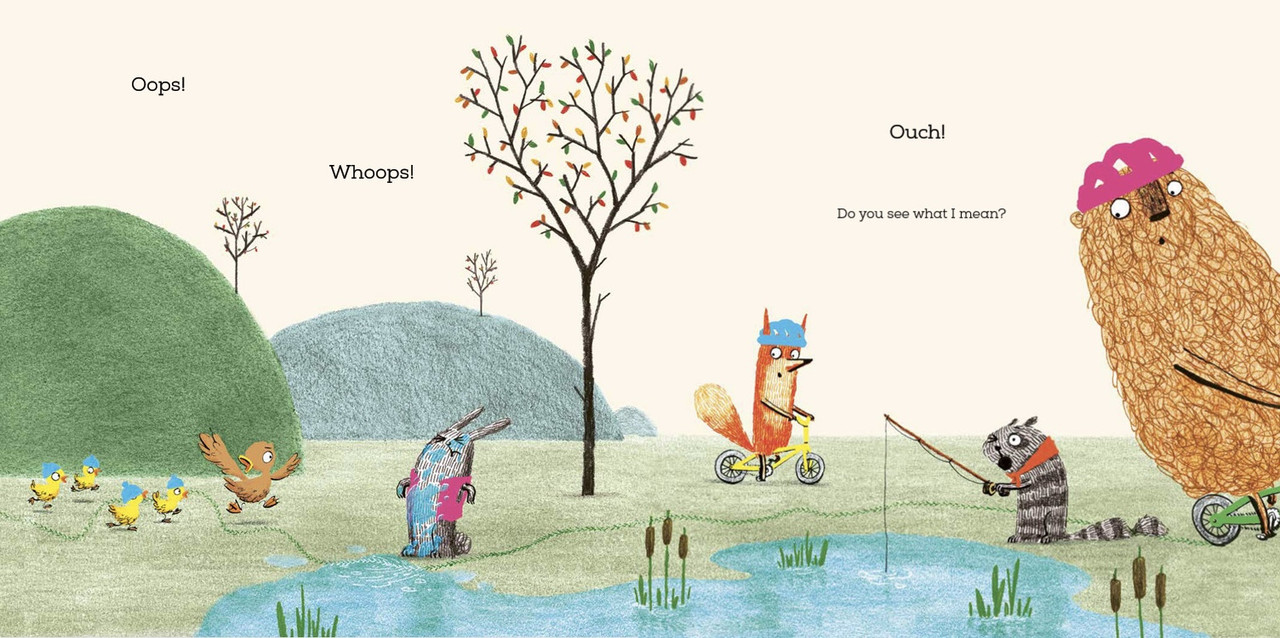
In this new adventure, Frank and Bert trade in their scarves for bike helmets. Bert wants to be as good at bike riding as Frank but he “wibble-wobbles all over the place.”

This series is teamwork, perseverance and friendship goals. In this story, it becomes clear how important it is to have each other’s backs. A friend who is supportive and encouraging can give us the confidence we need to keep trying.

I absolutely love the illustrations in this series. All of the animals are very expressive, which adds to the humour of Bert’s oops moments. Bert’s wobbly tire tracks brought to mind the windy path his scarf’s loose thread weaved through the first book.

Some details are consistent in both books. Frank wears blue. Bert wears pink. The hills and trees are the same. This familiarity allowed me to focus more on what the characters were doing and feeling throughout this book. 

Be on the lookout for the character who’s fishing. Handy hint: see if you notice anything relevant to the first time you see them when they show up later in the story.

I’ve read this book three times already and plan to buy a copy when it’s released. Naturally I had reread the first book and am delighted to report that I loved it just as much as I did when I first met Frank and Bert.

I need Frank and Bert to keep sharing their adventures with me. I adore these friends!

Thank you so much to NetGalley and Nosy Crow for the opportunity to fall in love with this picture book.

Rating: 5 out of 5.

Once Upon a Blurb

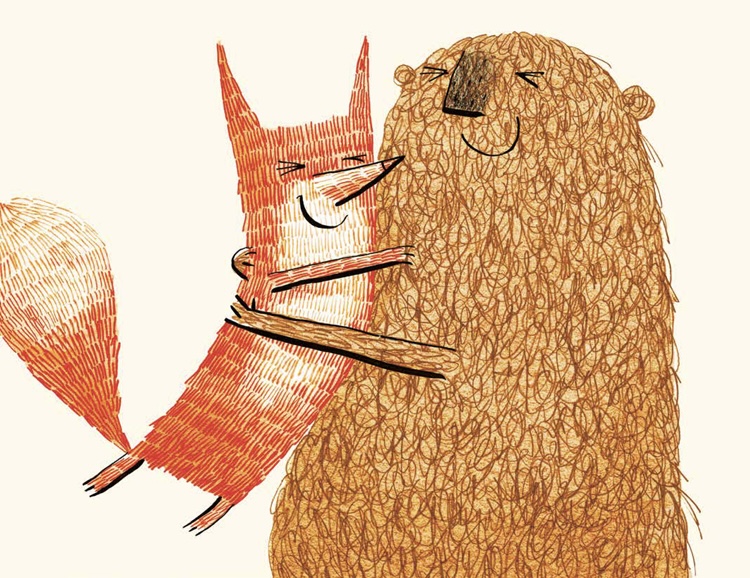
The hilarious fox and bear double act from bestseller Chris Naylor-Ballesteros is back for a second adventure.

Bert is CERTAIN he can ride his bike as well as Frank, but he is very wobbly! And even when they BOTH try riding Frank’s bike … it still goes very wrong! Will the best friends make it all the way down from the big hill? Of course! All they need is a little bit of confidence and trust in each other!

This warm and entertaining story about friendship is guaranteed to get children giggling!

When Animals Attack: The 70 Best Horror Movies with Killer Animals – Vanessa Morgan (editor)

Movies where animals attack are some of my favourites, particularly when they’re so bad they’re hilarious. This book takes on the good, the bad and the how did this even get made?!

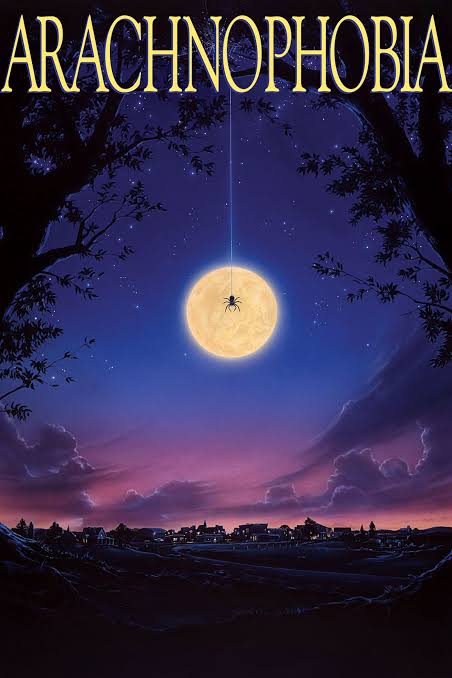
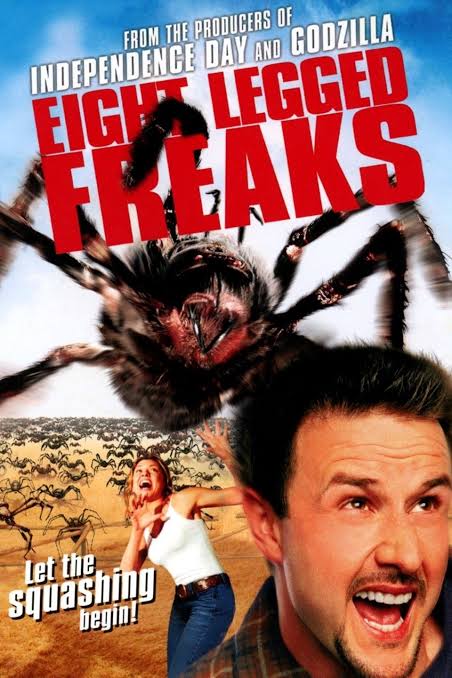
The killers in these movies include ants, sharks, rats, snakes, dogs and spiders. Each of the seventy essays focuses on one movie. The essays varied in the level of detail about the movie but be aware that some include major spoilers.

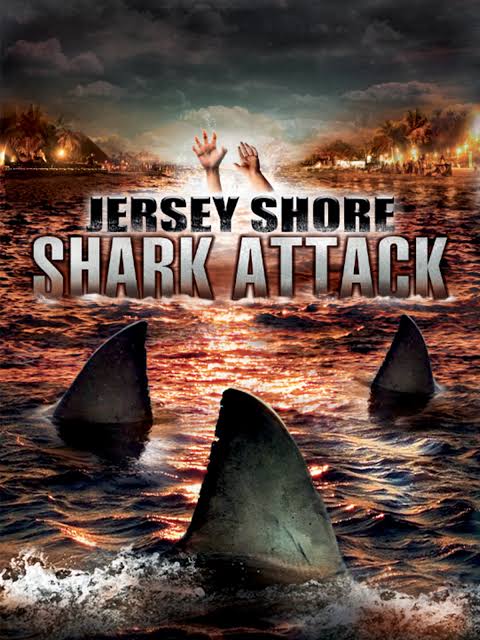
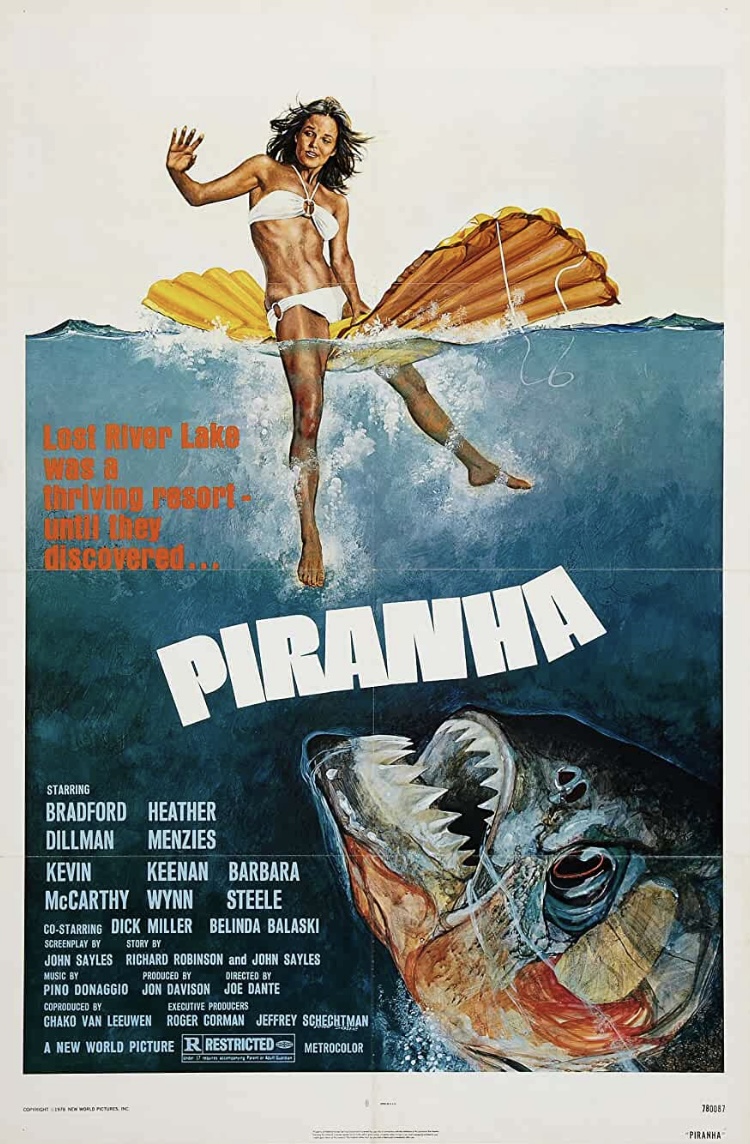
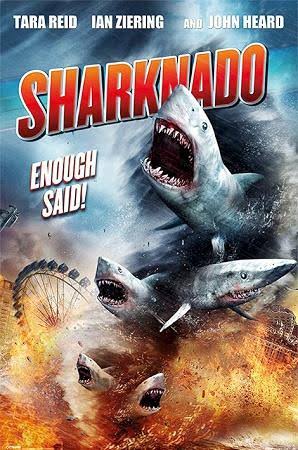
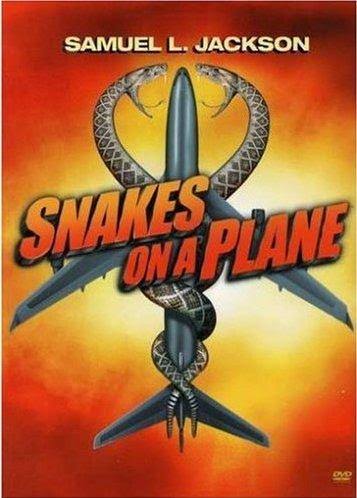
I was surprised to discover I’d only seen twelve of the movies discussed:

My favourite, Mega Piranha, didn’t find its way into the book. It’s ridiculous, it’s made by The Asylum and its stars include Greg Brady and Tiffany (who sings one of the songs on the soundtrack).

The bicycle kick scene is priceless:

Here’s the trailer:

Oh, and it has an IMDb score of 2.4. Obsessed yet?

Anyway, back to the book. I enjoyed seeing that some of my favourites were included and I now have a huge list of movies to binge.

Thank you so much to NetGalley and Moonlight Creek Publishing for the opportunity to read this book.

Rating: 3.5 out of 5.

Once Upon a Blurb

The definitive horror movie guide for fans of killer animals and “revenge of nature” films.

When Animals Attack: The 70 Best Horror Movies with Killer Animals provides a fascinating and entertaining insight into the cinematographic world of animals on the rampage. From well-known predators such as sharks and lions to unusual killing machines like turkeys, elephants, frogs, cats, and rabbits, there is no shortage of the species on display in this book.

Leading horror writers and filmmakers present their favourite “animals attack” films through in-depth essays. Some of the films are touching, some are repulsive, and some are just plain silly. Not all of these horror movies line up with the critical consensus, yet they have one thing in common: they have made the heart of the writer beat faster with excitement.

Letters to the Lost – Brigid Kemmerer

Don’t you think it’s funny how people say “lost” as if they were just misplaced? But maybe it’s a different meaning of “lost,” in that you don’t know where they went.

Juliet has written letters to her mother for years, first when she was overseas photographing war zones and now when she’s much closer to home but can no longer write back.

We just thought on paper to each other.

Declan is doing community service when he finds one of Juliet’s letters at her mother’s grave. Most people think they know the type of person Declan is because of his arrest.

I say I don’t care what people think of me, but that’s a lie. You’d care, too, if everyone thought you were nothing more than a ticking time bomb.

Declan understands Juliet’s pain and writes back to her. Those two words change both of their lives.

Soon Juliet and Declan are writing to each other regularly. Their anonymity makes them feel safe enough to reveal parts of themselves that they usually keep hidden.

I don’t even know you, but I feel like I understand you.

I feel like you understand me.

And that’s what I like so much about it.

They don’t realise that their paths have already crossed.

I’m all mushy about this book. And I’m not a mushy person.

Part of my love of this book came from the pain the main characters experienced. As they began to connect, I was torn. I wanted them to find one another and connect in person but I loved their vulnerability on the page and didn’t want that to end. Mostly I needed them to know that someone understood what they were going through.

I’m not into romances. At all. But I spent this entire book wanting the senior class reject and cemetery girl to finally get together, dammit! I mean, how can you not get all melty when you read a sentence like this:

She’s the fiercest girl I’ve ever met, but I want to sit in the dark and hold her hand to show her she’s not alone.

Because I read these books out of order, I’d already met Juliet in passing. However, when I read More Than We Can Tell, I didn’t realise the significance of her casually taking photos in the school cafeteria, as if it wasn’t a huge accomplishment.

I’m so glad Rev gets his story told in the next book and that we find out why he only eats sugared cereal as a treat instead of for breakfast.

I loved the parts of the story that focused on photography. Its ability to tell an entire story in a single image… The walk down memory lane to the days of film, when we had no idea whether the magic we saw in the moment was captured until days or weeks later when we got the film developed…

While I adored the main characters, my favourites were those who supported them when it would have been easier to ignore their pain. Frank, Mrs Hillard and Mr Gerardi cared enough to look beneath the surface.

“Every moment is meaningful.”

Because I’m me, I checked each of the email addresses mentioned in this book. None of them currently exist.

Rating: 5 out of 5.

Once Upon a Blurb

Juliet is drowning in grief after her mother’s death.

Declan is trying to escape the demons of his past.

Leaving handwritten letters on her mother’s grave is the only way Juliet can process her loss. When Declan finds a letter and answers it anonymously, they continue writing back and forth, not knowing who is on the other side. Juliet is instantly intrigued by this stranger who understands the loss she feels. Declan discovers someone who finally sees the good in him.

Such an immediate and intense connection with a perfect stranger is astonishing and wonderful, and soon they are baring their souls to each other. But this secret world can only sustain Juliet and Declan for so long … as the reality surrounding them threatens to shatter everything they’ve created.