Graveyards – Alastair Horne

I love fun facts and photography, although sometimes it can be difficult to find enough favourites to include in a review. I had the opposite problem here so, even though I’ve tried to restrain myself, I’ve included more than I usually would.

Because Back to the Future is never too far from my mind, I need to tell you that the Cave Hill Cemetery clock tower in Louisville, Kentucky has been struck by lightning a number of times.

At Boston’s Granary Burying Ground in 2009 “an abandoned entrance to an unmarked crypt was rediscovered when the ground gave way beneath a visitor, plunging her into a hidden stairwell.”

One of my favourite photos was of Kilmacduagh Monastery in Galway, Ireland.

Kilmacduagh Monastery
Image credit: Jon Ingall

A partly ruined ninth-century building at Mizdarkhan in Karakalpakstan, Uzbekistan is known as the Apocalypse Clock. It is believed that “when the final brick falls, it will herald the end of the world.”

I love graves that showcase the personality or interests of the person buried there, so absolutely adore the piano in London’s Highgate Cemetery.

Highgate Cemetery
Image credit: Flavia Paoletti

Off the coast of Madagascar, pirates are buried at Île Sainte Marie. Naturally their gravestones are marked with skulls and crossbones.

The Kankanaey people of Sagada suspend the coffins of their most distinguished elders from the cliffs. Traditionally, the elderly make their own coffins and paint their names on the side; the bodies are placed in a foetal position, mimicking their entry into life.
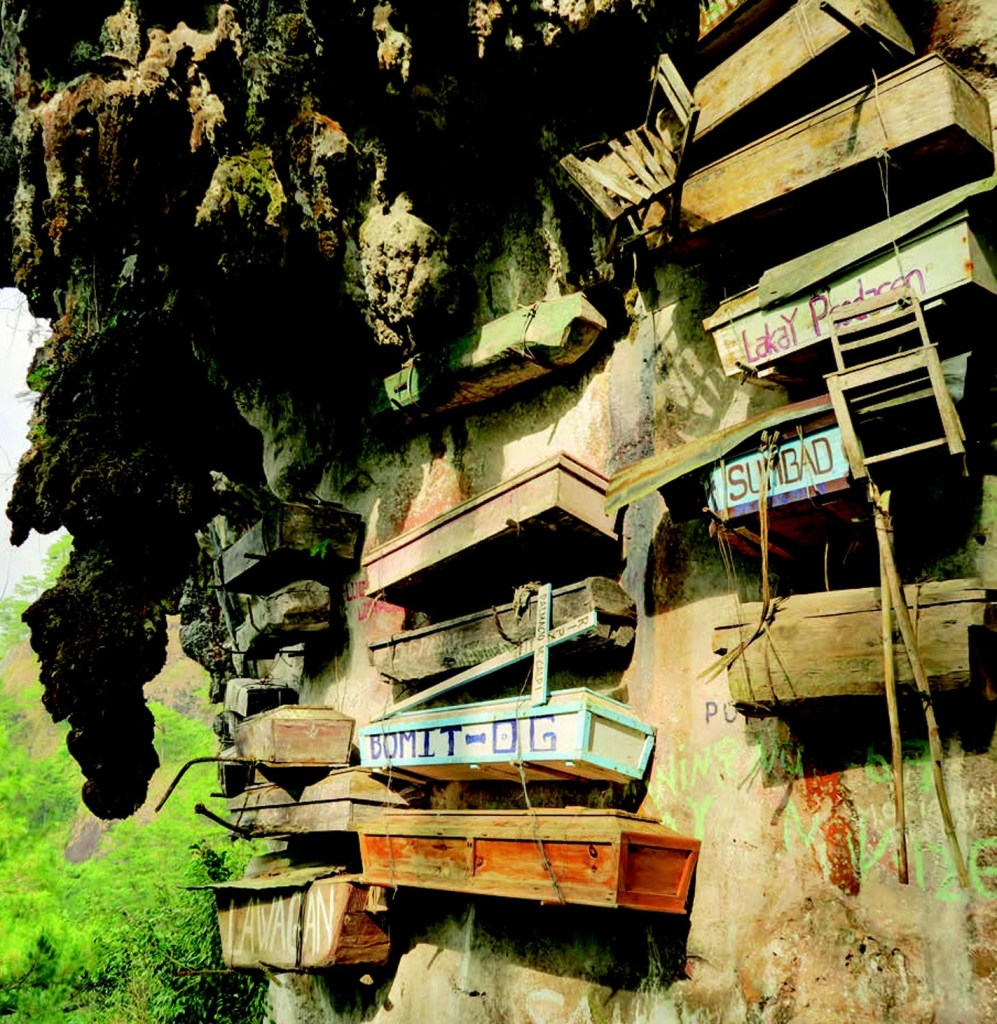
The Hanging Coffins of Sagada
Image credit: Florian Blümm

There was a focus on cemeteries in Europe and the Americas. Africa, the Middle East, Asia and the Pacific combined had under 50 pages dedicated to them, whereas Europe and the Americas had 170. There were less photos that looked like a haunting had been interrupted than I had hoped but the abundance of memorable fun facts made up for it.

NB: Images are taken from the eARC so the colours may not be an accurate representation of the photos in the book.

Thank you so much to NetGalley and Amber Books for the opportunity to read this book.

Rating: 4 out of 5.

Once Upon a Blurb

Graveyards, burial sites and cemeteries are as old as human civilisation itself, resting places, and memorial sites for loved ones, the great, and sometimes the infamous.

Graveyards reveals both the universality of death, and the diversity of how we commemorate or memorialise those who have passed, from the hanging coffins of Sagada, Philippines, to the Old Jewish Cemetery in Prague, testament to the huge Jewish community that lived in the Czechoslovak capital before the Holocaust.

With detailed captions explaining their history and often ghostly past, Graveyards is a vivid pictorial exploration of the best-known, most-haunted, and quirkiest burial places in the world today.

Whales & Dolphins – Tom Jackson

My childhood answer to ‘If you could be an animal, what would you be?’ was a dolphin. Every time. I’ve never grown out of my love for them.

It makes my day whenever I get to see a pod of dolphins playing in the waves when I’m walking on the beach. I’ve come to love whales as well and look forward to seeing them migrate up and down the coast.

A photography book featuring whales, dolphins, other toothed whales and porpoises was always going to find me. I enjoyed the fun facts.

The water spout puffed from the blue whale’s nostril-like blowholes rises 10m (32.8ft) above the surface.

I was really here for the photography, though. The photos weren’t as jaw dropping as I’d hoped but I was introduced to a number of species I hadn’t heard of before. I’m currently most interested in meeting a Pacific white-sided dolphin.

Pacific white-sided dolphin
Photo credit: Louie Lea

Thank you so much to NetGalley and Amber Books for the opportunity to read this book.

Rating: 3.5 out of 5.

Once Upon a Blurb

Whales and dolphins alike are renowned for their intelligent nature and fascinating social rituals. Like us humans, they use vocalisations to communicate. They both have distinctive, streamlined body shapes and propel themselves through water using powerful tails and flippers. These magnificent mammals are frequently described as ‘sentinels’ of ocean health, providing key insight into marine dynamics and ecosystem quality. Whales are the largest marine mammals belonging to the Cetacea order (whales, dolphins and porpoises). Their incredible size continues to amaze us, the blue whale reaching an astounding 100ft (30.48 metres) and weighing as much as 200 tons. Dolphins, found in both oceans and freshwater, are actually classed as small-toothed whales. They are esteemed around the world for their sleek physical appearance and intriguing sounds used to communicate with each other. Did you know that porpoises are often shy creatures and therefore most of us will very rarely encounter them in the wild? Among their species is the vaquita, tragically the most endangered species of any whale, dolphin or porpoise. With full captions explaining the different species, behaviour and feeding habits, Whales & Dolphins is a vibrant look at these marine mammals in 180 vivid photographs.

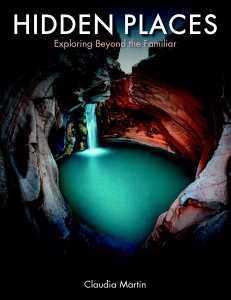
Hidden Places – Claudia Martin

I love landscape photography and, as someone who’s never travelled outside of my country, I enjoy imagining all of the places I’ll travel when I stumble across the millions of dollars that have been hiding from me.

This book takes you around the world in 180 photos, highlighting some lesser known places. My travel bucket list has grown extensively as a result.

There’s the Thomas Fisher Rare Book Library in Toronto, Canada, with over 15 million items!

As someone who collects sea glass, I need to see Glass Beach in California. There are colours there I don’t have in my collection.

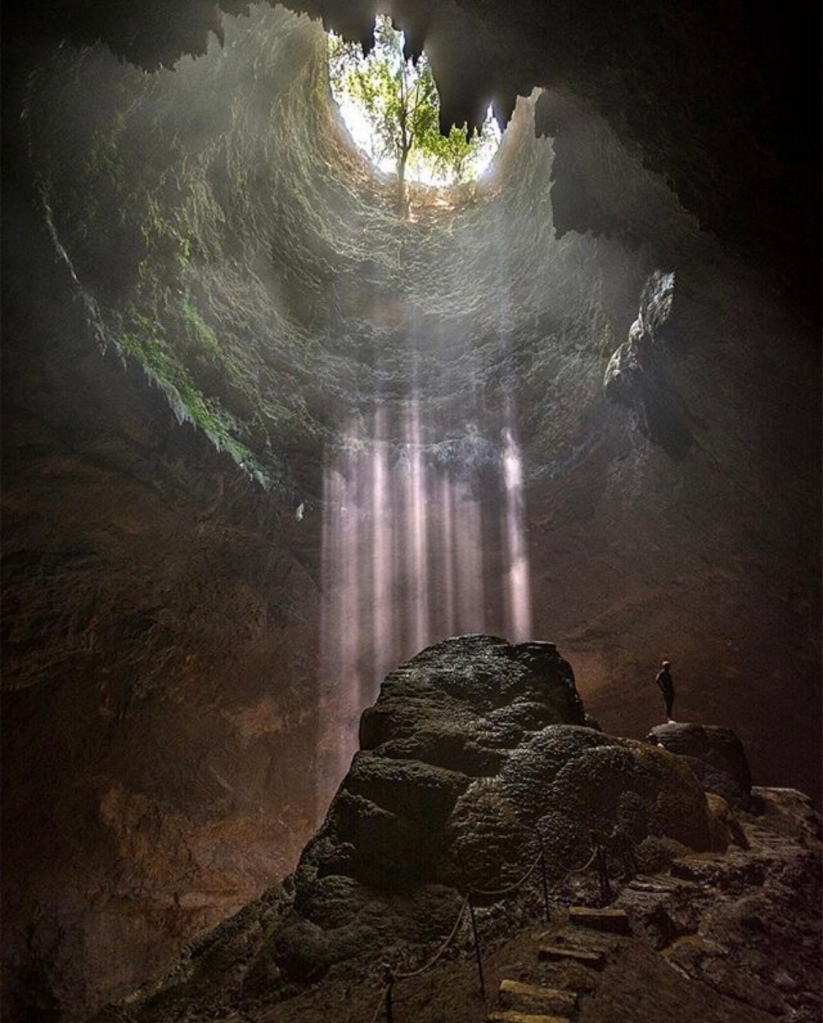
I definitely need to learn how to abseil so I can see the ‘heavenly light’ above the sinkhole in Jomblang Cave in Indonesia.

Jomblang Cave
Photo credit: Altung Galip

I want to wander around the Maol-bhuidhe bothy in Scotland and see Cueva de los Verdes, a network of lava tubes, in Lanzarote, Spain. I need to explore the island of Porto Santo in Madeira, Portugal.

Teufelsbrücke (‘Devil’s Bridge) in Rakotzbrücke, Germany fascinates me and I’ve wanted to see the Crooked Forest in Gryfino, Poland for years.

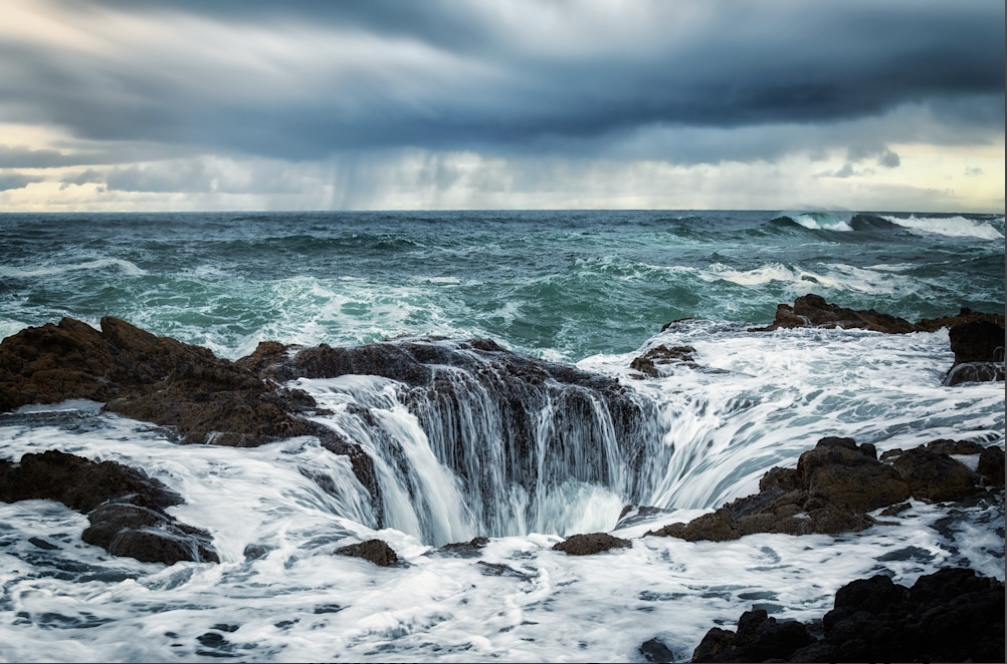
My favourite photo was of Thor’s Well in Oregon, USA.

Thor’s Well
Photo credit: Jeffrey Schwartz

Thank you so much to NetGalley and Amber Books for the opportunity to read this book.

Rating: 4 out of 5.

Once Upon a Blurb

From the psychedelic salt mines of Yekaterinburg in Siberia to the rugged, green-tinted Copper Canyon in the Sierra Madre in Mexico, Hidden Places roams across the globe in search of hidden treasures and secret places off the beaten track. Explore the Silfra Deep Trench in Iceland, where the North American and Eurasian tectonic plates meet to create a remarkable rift and freshwater dive site; experience the weirdest of woodland walks through the Crooked Forest in Pomerania, Poland, where a grove of 400 pines are uniformly curved; marvel at the colourful, gold-plated temple of Doi Suthep in northern Thailand; or visit the world’s highest sand dune, Grande Dune du Pilat, on the Bordeaux coast. Each location is accompanied by a caption explaining the geography and history of the place. Illustrated with 180 colour photographs, Hidden Places ranges from the sparse landscape of the Arctic Circle to the rich rainforests of the Amazon basin. Read this book and discover the special, hidden places that will come to define your bucket list – many of which are much closer to home than you think.

Strange Animals – Tom Jackson

This book combines two of my favourite things, photography and fun facts. Because I’ve devoured so many books with fascinating, adorable and weird animals over the years, there wasn’t a lot of information that was new to me here. It was still an entertaining read, though, and I loved the photos.

It’s always hard to choose my favourite facts. This time around I’ve picked two from each section: Asia, Africa, Australasia, North America, Central & South America, Europe and Oceans. They’re a combination of my favourite animals, photos and facts.

A tarsier’s eye is bigger than its brain.

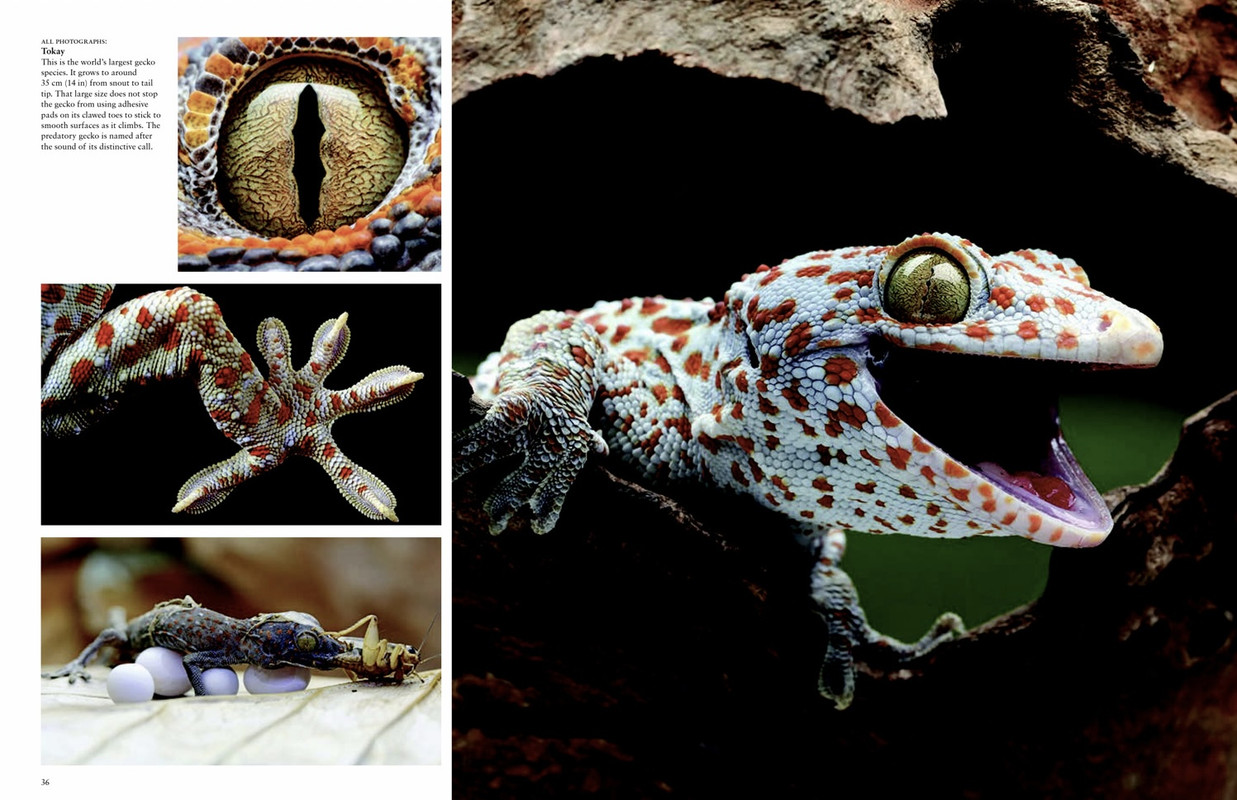
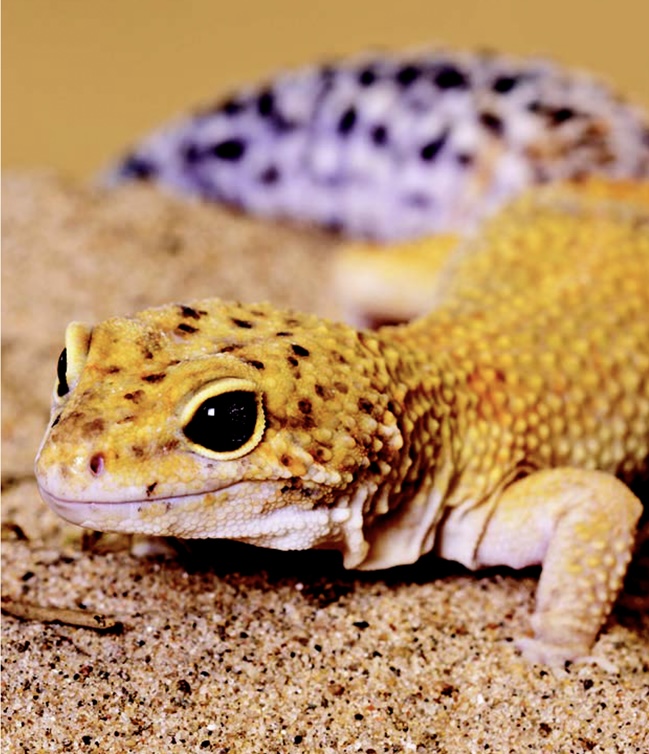
At around 35cm (14 inches) from snout to tail, the tokay is the world’s largest gecko.

Photo of a torkay

A naked mole-rat queen “controls her workers using chemicals in her urine.”

The African fat-tailed gecko uses the fat stored in its tail when food becomes scarce.

Photo of an African fat-tailed gecko

The duck-billed platypus detects electrical currents produced by its prey with its bill.

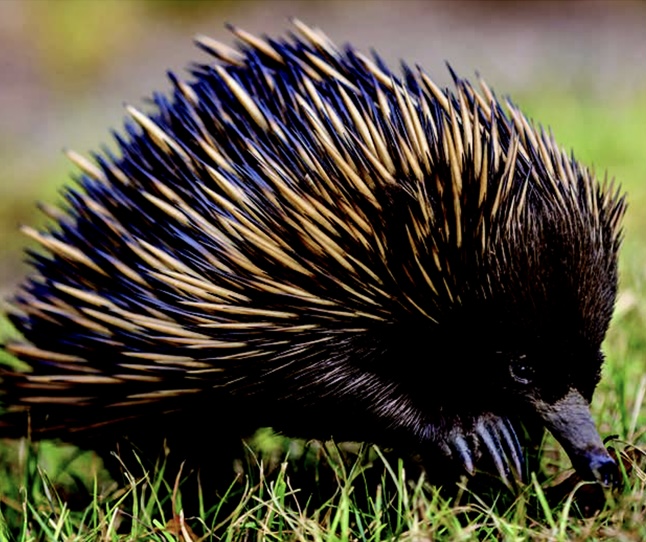
Echidnas are related to the platypus. “It too lays eggs, and the pointed snout is sensitive to electricity given out by insect prey.”

Photo of an echidna

The thorn bug is a treehopper. “It sits on a twig and jabs its pointed mouthpart into plants.”

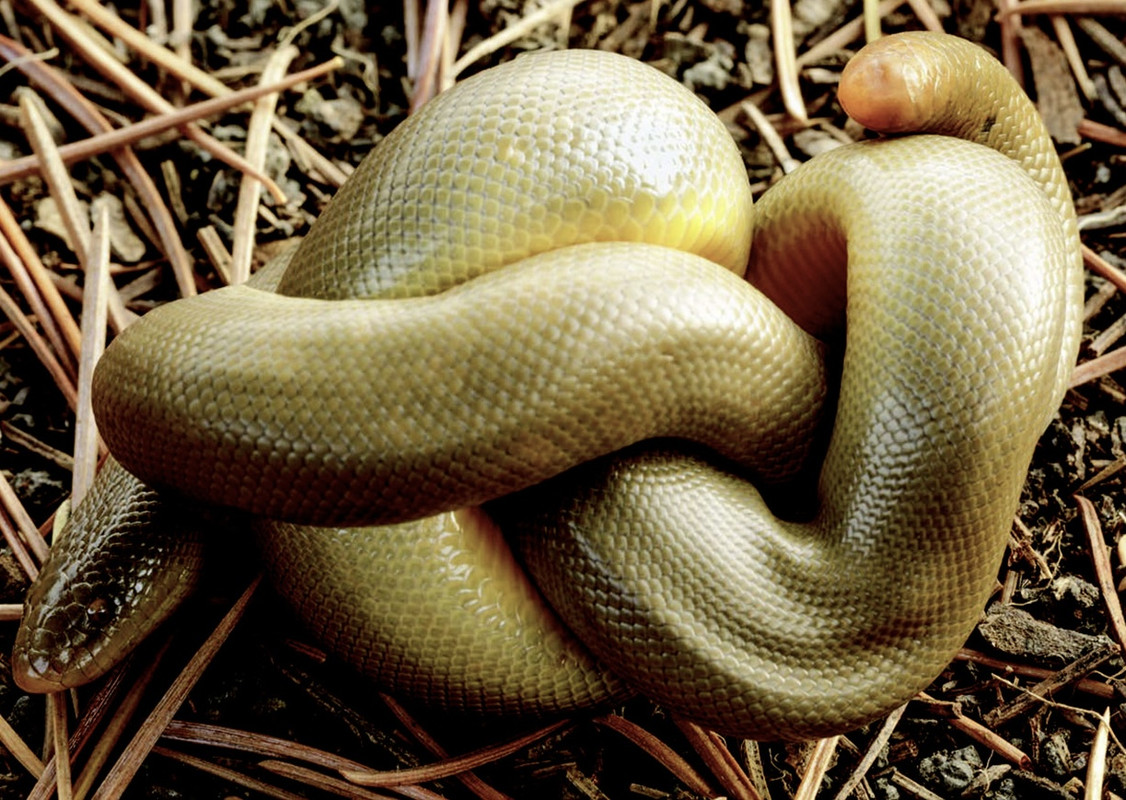
The rubber boa ties itself in a knot when it’s threatened.

Photo of a rubber boa

The pink river dolphin is born grey. When its skin rubs against objects, it becomes pinker.

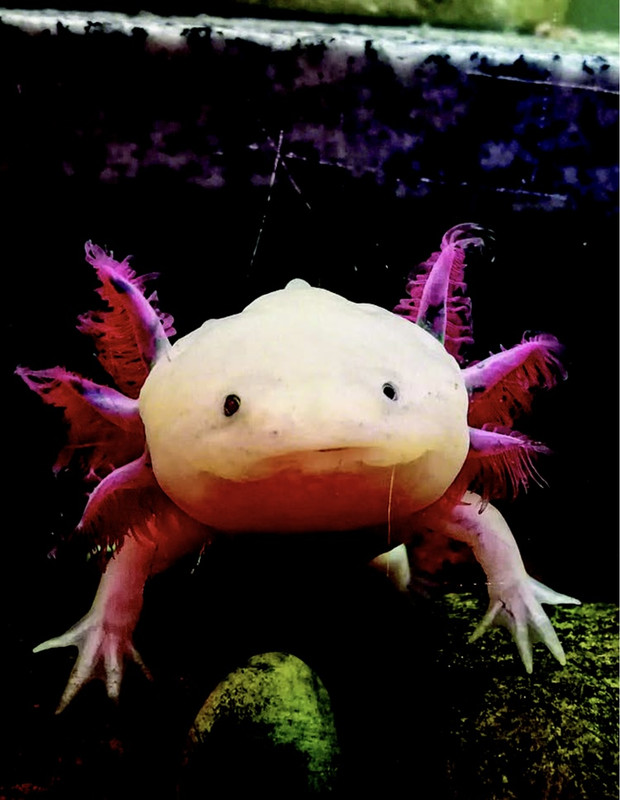
The axolotl was named after the Aztec god of fire and lightning.

Photo of an axolotl

The wisent (European bison) is Europe’s largest wild land animal.

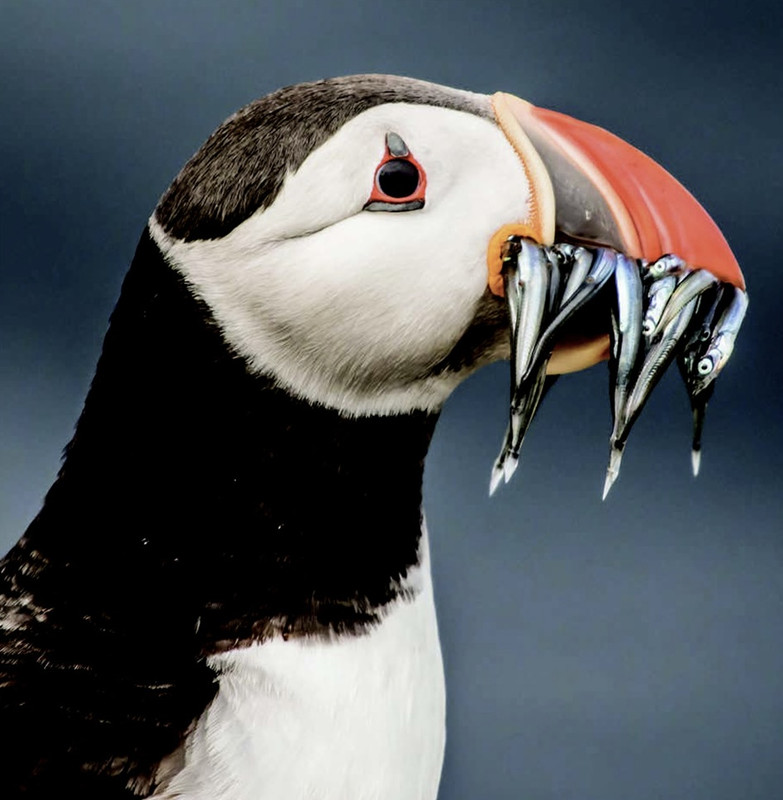
The Atlantic puffin’s diet consists solely of fish.

Photo of an Atlantic puffin

The Christmas tree worm grows on coral reefs around the world.

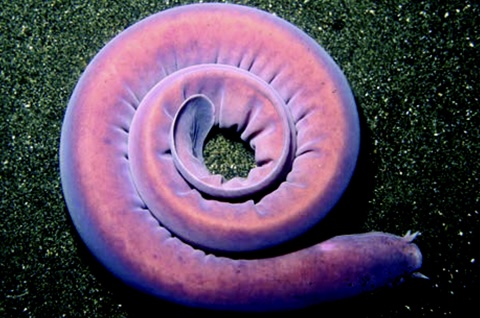
The Pacific hagfish have a “spiral of teeth that they twist into corpses to drill out a cylinder of flesh.”

Photo of a Pacific hagfish

NB: The images I’ve included in my review are screenshots of the eARC. The colours may look different in the book.

Thank you so much to NetGalley and Amber Books for the opportunity to read this book.

Rating: 4 out of 5.

Once Upon a Blurb

How does a mudskipper fish manage to “walk” on land? Why is the Hoatzin also known as ‘The Stinkbird’? And once the female Pipa toad has laid her eggs, where does she put them?

The answers? The mudskipper can “walk” using its pectoral fins, the Hoatzin has a unique digestive system which gives the bird a manure-like odour, and the female Pipa Toad embeds its eggs on its back where they develop to adult stage.

Illustrated throughout with outstanding colour photographs, Strange Animals presents the most unusual aspects of 100 of the most unusual species. The selection spans a broad spectrum of wildlife, from the tallest land living mammal, the giraffe, to the light, laughing chorus of Australian kookaburra birds, from the intelligence of the Bottlenose dolphin to octopuses that change colour when they dream to the slow pace of the three-toed sloth.

Arranged geographically, the photographs are accompanied by fascinating captions, which explain the quirky characteristics of each entry. Including egg-laying mammals, birds, reptiles, amphibians, cannibalistic insects and other invertebrates, Strange Animals is a compelling introduction to some of nature’s most curious beasts.

The Wild – Claudia Martin

Five countries hold 70 per cent of the world’s last remaining wilderness: Russia, Australia, Brazil, Canada and the United States, much of the last country’s wild land lying in Alaska.

This book’s whirlwind trip around the world was fodder for my travel wish list. Divided into sections by geography – Europe, Asia, Africa, Oceania & Antarctica, North & South America – the photography highlights various landscapes across the seasons. The isolation and serenity made this the perfect coffee table book for me.

Although I almost always love photography books, because there are so many to choose from, I like to get a feel for what to expect before deciding if they’re for me or not. With that in mind, I’ve chosen my current favourite photo from each section.

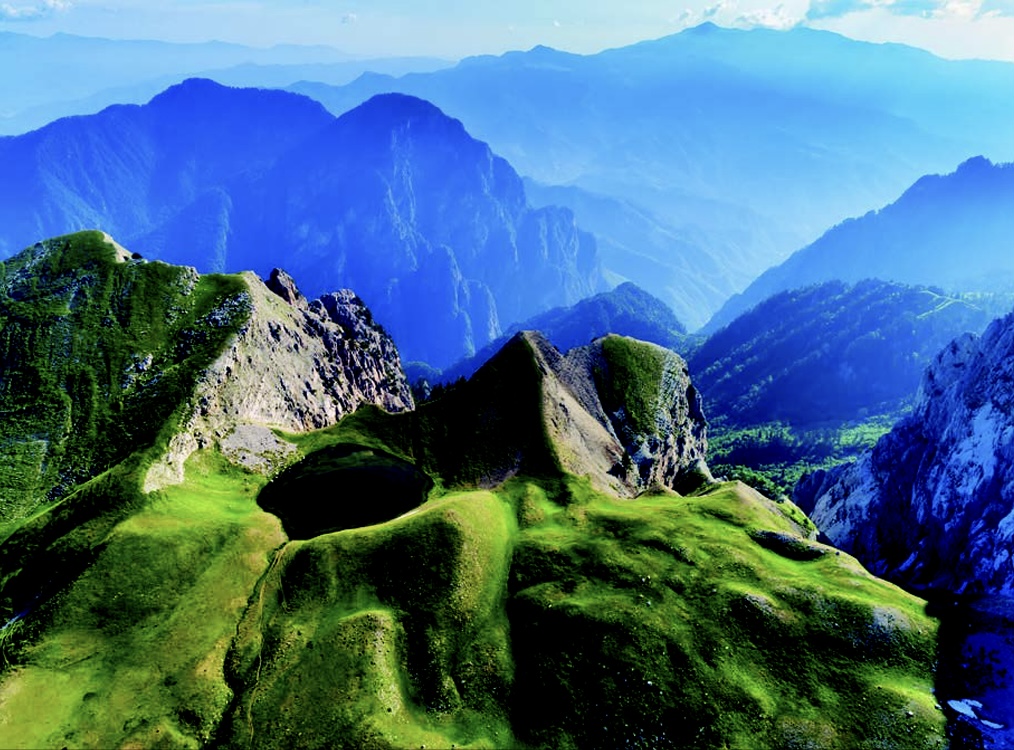
description

Legend says that dragons throwing rocks at one another created the distinctive landscape of the Drakolimni of Tymfi, found in Vikos-Aoös National Park, Greece.

description

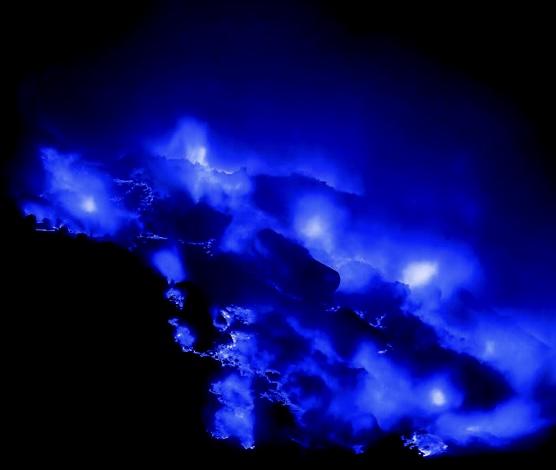
The combusting sulphur in the Ijen stratovolcano complex in East Java, Indonesia, causes Api Biru, Blue Fire.

description

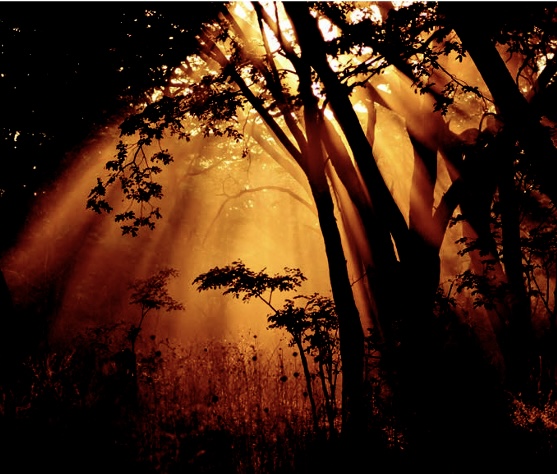
African teak is a deciduous hardwood tree with explosive pods able to spread seeds over several metres.

This teak forest is in Hwange National Park, Zimbabwe.

description

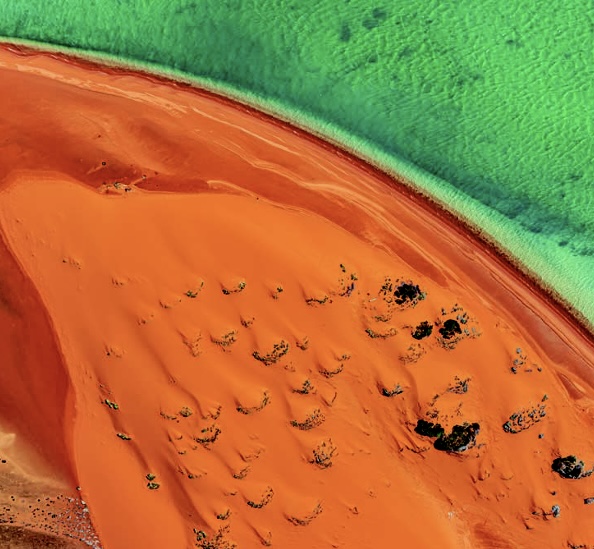
The world’s largest population of dugongs make their home at Shark Bay, Western Australia.

description

This gorgeous winter scene comes to you from the Kenai Peninsula in Alaska.

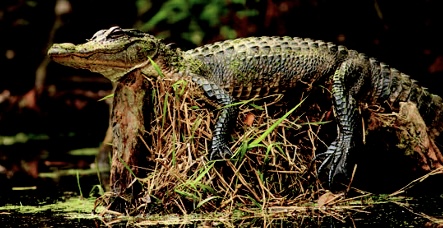
While this book features some breathtaking landscapes, it also includes photos of animals. My favourite is this American alligator, a species that can reach 4.8m (15.7 feet) in length, chilling out at Okefenokee Swamp in Georgia, USA.

description

NB: The images I’ve included in my review are screenshots of the eARC. The colours may look different in the book.

Thank you so much to NetGalley and Amber Books for the opportunity to read this book.

Rating: 5 out of 5.

Once Upon a Blurb

Illustrated with beautiful colour photographs, The Wild leads the reader to the planet’s least cultivated places, from jungles to tundras. Take a step into the wild!

We live in an increasingly urbanised world, but there are still many magnificent stretches of wilderness unaltered by humankind. From the most remote mountains and valleys in Alaska to the southern tip of Chile and Argentina, from Europe’s primeval forest on the Polish-Belarusian border to Norway’s fjords, and from the Namib Desert to Kamchatka in far-eastern Russia to canyons in Kurdistan and rainforests in Cambodia, The Wild celebrates the beauty of uncultivated landscapes all around the globe.

Arranged by continent, the book roams across landscapes and climates, from Antarctica’s dry valleys to African burning deserts, from European marshlands to Arabian rugged peaks and on to Tanzania’s craters, Indonesia’s volcanoes, and New Zealand’s bubbling mud pools. Each entry is supported with fascinating captions explaining the geology, geography, flora, and fauna. In doing so, the book reveals some of the world’s most naturally bizarre places.

Abandoned Palaces – Michael Kerrigan

I love abandoned places photography! I adore the atmosphere, the haunting quality of the images and imagining the history of the buildings and those who have lived in or visited them.

Most of the collections of abandoned places I’ve seen have focused on the buildings’ interiors. This book includes some interior photos as well as some bird’s-eye view shots that show an interesting blend of interior and exterior. However, a greater proportion show the overall exterior of the building, with sections of facades crumbling on some and nature overrunning others, and I really enjoyed those photos. I particularly liked those that highlight the contrast between neglected architecture and flourishing greenery surrounding it (and oftentimes growing over it).

The descriptions that accompany each image are succinct; you learn enough to provide context but not so much that the information overwhelms the picture. Each section includes a short introduction to the overall location: The Americas and Caribbean, Western Europe, Eastern Europe, Africa and the Middle East, and Asia and the Pacific.

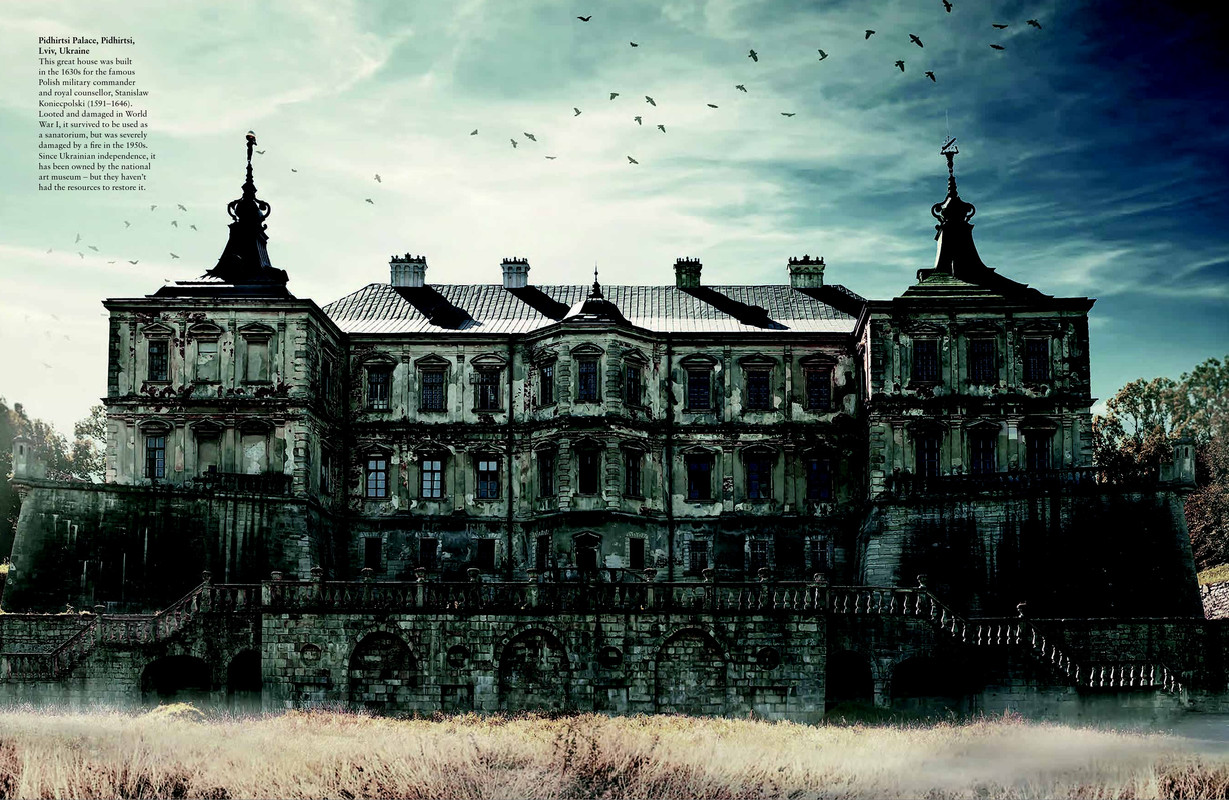
Each time I look through this book (three times so far) different photos catch my eye and details I’ve previously missed stand out. I do have a few favourites that I expect will remain, no matter how many times I return. The one that stands out the most and that I most desperately need to visit is Pidhirsti Palace in Lviv, Ukraine.

The original photo by LALS STOCK can be found on Shutterstock here. Editing of the image in this book (or it may be because I’m reading an ARC) has given it a creepier feel than the original, but that has added to my love for this particular photo.

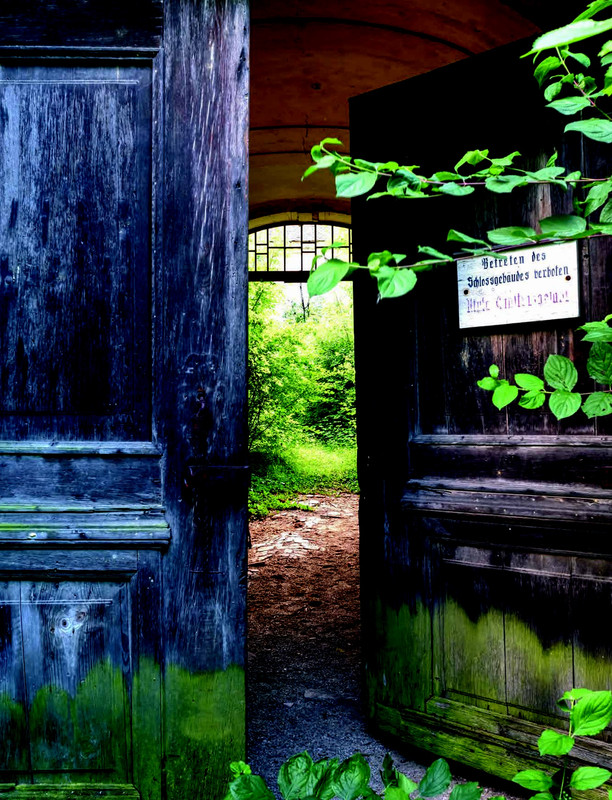
Although the colour feels off (again, this could be due to my viewing an ARC on an iPad) my favourite photo that showed some interior was of Ladendorf Castle in Mistelbach, Austria.

I loved that this open door felt like an invitation and, although it’s actually a courtyard you’re getting a glimpse of, I immediately imagined that a path out of view behind this building would lead intrepid explorers to another world. (That is one of the reasons why I love photography so much; it awakens my imagination.) This photo of Ladendorf Castle is by Viennaslide and can be found on Alamy here.

I was quite disappointed to learn that the photos were all sourced from stock image sites: 123RF, Alamy, Dreamstime, FLPA, Getty Images, Globallookpress.com, iStock and Shutterstock. In the past I’ve enjoyed collections of abandoned places photos by a single artist; I find this provides more of a cohesive feel to the project and gives me a sense of their ‘eye’ by the end of the book. I also enjoy the anecdotes a photographer can provide based on their experiences shooting at specific locations.

These details are missing here; this isn’t necessarily a bad thing but is certainly something I would have liked to have known before I started reading/looking. Also missing are the interior photos that show details of abandoned items that I love to pore over; they provide a small but important connection for me to the history of the buildings and the people who spent time there.

To be taken with a grain of salt as this relates to the ARC: There were some photos that appeared underexposed and others that appeared to have been edited so the colour was unnaturally saturated in places. These may be artistic choices by the individual photographers or the book’s editor or could be due to the fact that I viewed an advanced copy on an iPad. These comments may be entirely irrelevant once this book has been published.

Thank you to NetGalley and Amber Books for the opportunity to view this book.

Rating: 3.5 out of 5.

Once Upon a Blurb

From imperial residences and aristocratic estates to hotels and urban mansions, Abandoned Palaces tells the stories behind dilapidated structures all around the world.

Built to impress, built with style and grandeur, built, above all, to last: it’s all the more remarkable when buildings such as these fall into disrepair and become ruins. From ancient Roman villas to the French colonial hill station in Cambodia that was one of the final refuges of the Khmer Rouge, Abandoned Palaces charts the decline of what were once the homes and holiday resorts of the super wealthy.

Ranging from crumbling hotels in the Catskills or in Mozambique, to grand mansions in Taiwan, to an unfinished Elizabethan summerhouse, to a modern megalomaniac’s partially completed estate, they were deserted for reasons including politics, bankruptcy, personal tragedies, natural and man-made disasters, and changing tastes and fashions. Filled with stunning, nostalgic images, this volume is a brilliant and moving examination of worlds left behind.