Twelve year old Bobby Baxter lives a quiet life with his father and Roger, their pet snail. That is, his life used to be quiet (and predictable) until the morning the front door of their apartment was smashed in. Now Bobby is on his way to the planet Andarma.
This is not ideal for a boy with so many fears. You should believe Bobby when he says he is afraid of 689 things (so far) because he has made a list. Although it’s not spelled out in DSM-5 language, I’d also like to diagnose Bobby with agoraphobia.
So, what’s a scared Earthling going to do on Andarma? He’s been chosen to attend Galactic Space Academy, a twelve week intensive training program. At the end of this program students (those who survive, that is) gain entry to the Space League.
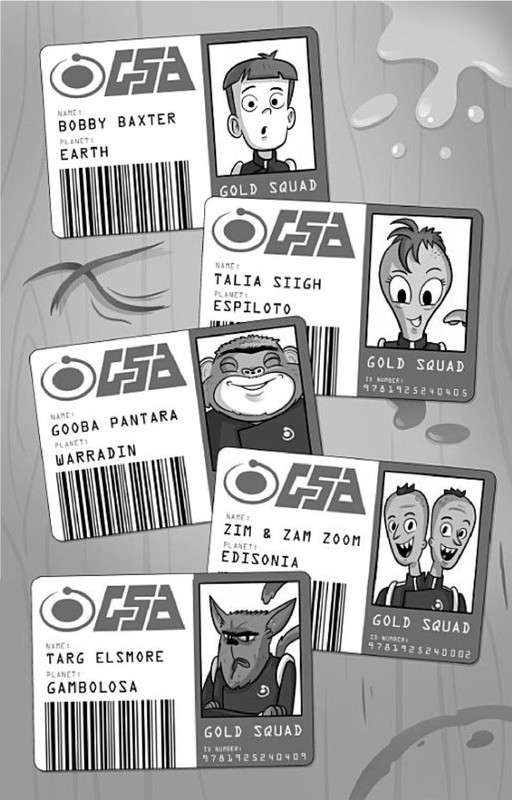
There Bobby meets the rest of the Gold team:
Conspiracy theorist Talia
Zim and Zam, who can finish each other’s sentences
Targ, who’s not a fan of Bobby, or hanging out with the rest of the team, or smiling
Gooba, who often quotes from The Book of Err, despite not understanding the meaning of most of its wise teachings.
‘Err says that life is like a planet within a melon inside a glass egg’
The thing is, no one from Earth has ever been invited to the Galactic Space Academy before. Earth aren’t even part of the Confederation. And it seems as though someone really doesn’t want a boy from Earth in attendance.
During their time at the Galactic Space Academy, Bobby and his team will learn the value of perseverance and teamwork. There’s danger, action, humour and the unexpected ahead.
‘Rule 1A: Expect the unexpected’
I definitely want to read more books by this author.
Thank you so much to NetGalley and Text Publishing for the opportunity to read this book.
⭐⭐⭐⭐
Rating: 4 out of 5.
Once Upon a Blurb
Twelve-year-old Bobby Baxter’s not the bravest kid on Earth. His list of things that scare him is up to number 689, and includes lightning, crowds, spiders, alien abductions, crocodiles, falling from great heights, falling from small heights and eggs.
So when he learns that he’s the first Earthling ever chosen to attend the Galactic Space Academy, light years away from home, he’s terrified – and that’s before he discovers that someone at the academy wants the boy from Earth gone.
When you want to be dead, there’s nothing quite like being dead.
Heather B. Armstrong has lived with depression since she was a child but her experience in 2017 was more intense than anything prior. She spent eighteen months severely depressed, wanting to be dead but forcing herself to go through the motions, doing “All the Things Needing to Get Done”, because of her children.
It was during this time of desperation that Heather learned of an experimental study being run by Dr Brian Mickey. She was only the third person to qualify for and agree to participate in Dr Mickey’s study. About three times a week for ten sessions, Heather was put to sleep with propofol anaesthesia.
Dr. Bushnell would eventually clarify that they weren’t technically killing me; it was more of a really, really intense induced coma. They were just almost killing me.
Heather’s writing style is engaging, taking the reader on the journey with her: the good, the bad, the TMI, the scary and the funny. I met her family, some of her friends and the professionals treating her. I learned about the abyss and found the humour in Heather’s inability to recall what year it was when she was coming out of anaesthesia (1979 or 2012, every single time).
I particularly loved how candid Heather was in describing her depression, including the fact that she was able to hide its severity from many people for so long.
No one knew that I wanted to be dead. That’s how good I am.
Heather’s story not only showcases her perseverance and bravery, it also highlights how integral supportive family and friends are for people living with mental illness. I adored Heather’s friend, Stacia, who stayed the night with her when she didn’t have the internal safety to be alone.
However, Heather’s mother, Linda, and stepfather, Rob, were the ones who stole my heart. The practical and emotional support they offered almost had me ugly crying. They are everything you need family to be when you need help. I could have hugged Linda when she said:
“We have nothing else to do this month other than be there when you wake up.”
As I read, I kept thinking back to times when I’ve had suicidal ideation and the more I thought about it the more courageous Heather seemed. Regardless of how desperate I was, I don’t think I could have attempted a treatment option with a possible side effect (however rare) of death. That may sound absurd to you. Here I am saying I wanted to die yet I would have been too scared to try a treatment that might kill me. Isn’t that exactly what I wanted?
Well, yes and no. See, to submit yourself to an experimental treatment like Heather did, you would have to think that it’s the only or best option for you. But because it’s labelled as ‘treatment’ a part of you, even if that part is teensy, would hope that it might work. That’s the part that would have terrified me: the prospect of holding hope while knowing that hope could literally kill me.
It can be hard for a lot of people to ask for help when they need it. It’s especially difficult when your brain is lying to you, telling you that the people who love you would be better off without you. Heather’s recovery, with the help of the medical profession as well as her family and friends, will hopefully convince readers that it’s perfectly okay to ask for help and accept it when it’s offered.
⭐⭐⭐⭐
Rating: 4 out of 5.
Once Upon a Blurb
Author and blogger Heather B. Armstrong writes about her experience as one of only a few people to participate in an experimental treatment for depression involving ten rounds of a chemically induced coma approximating brain death.
For years, Heather B. Armstrong has alluded to her struggle with depression on her website. But in 2016, Heather found herself in the depths of a depression she just couldn’t shake, an episode darker and longer than anything she had previously experienced.
This book recalls the torturous eighteen months of suicidal depression she endured and the month-long experimental study in which doctors used propofol anaesthesia to quiet all brain activity for a full fifteen minutes before bringing her back from a flatline. Ten times. The experience wasn’t easy. Not for Heather or her family. But a switch was flipped, and Heather hasn’t experienced a single moment of suicidal depression since. The Valedictorian of Being Dead brings to light a groundbreaking new treatment for depression.
“Corners are something you fix up … and sometimes, you can’t fix people.”
Ten year old Davy doesn’t have any friends and has just been banned from the local swimming pool for the rest of the summer. It’s 1969, the summer he meets thirteen year old Ellis, who teaches him about corners. The two weeks he spends with Ellis change Davy’s life in ways he doesn’t anticipate.
I enjoyed getting to know the characters in this book. Ellis had a sadness that radiated from her, even as she made small corners of her surroundings more beautiful. Hannah, Ellis’ grandmother, was an absolute sweetheart. Davy’s mother, a single parent, is doing her best trying to provide for her small family. Mr Mosely, Davy’s mother’s landlord, had his own struggles.
This story is told in two timelines. Davy is recalling this time in his childhood to his son, who is now the age Davy was in 1969. While I found the progression of the story of Davy’s childhood interesting, it didn’t read to me like he was telling the story to his son. The language didn’t feel conversational.
Adult me figured out what was behind Ellis’ sadness early in the book and knew how the story would end from the get go. Child me probably would have been surprised by both of these revelations.
Thank you so much to NetGalley, Dancing Lemur Press and Independent Book Publishers Association for the opportunity to read this book.
⭐⭐⭐⭐
Rating: 3.5 out of 5.
Once Upon a Blurb
Everyone needs their own special corner…
It’s 1969 and ten-year-old Davy is in a predicament. With two weeks remaining of the summer holidays, he’s expelled from the public pool for sneaking into the deep end and almost drowning. How will he break the news to his hard-working single mother? She’s at the diner all day, Davy has no friends, and he’s too young to stay by himself.
The answer lies in his rescuer, mysterious thirteen-year-old Ellis Wynn. Visiting her Grammy for the summer, Ellis offers to babysit Davy. She teaches him about “corners” – forgotten or neglected areas fixed up special. Together, the kids tackle several “corners” and Davy learns what it means to bring joy to others.
Davy begins to wonder, though. Why does Ellis want to be his friend? Why doesn’t she ever smile? And is Davy just one of Ellis’ “corners?”
It’s no secret how much I love books that tell me a whole bunch of fun facts about animals. My favourite facts in this book are:
Leeches have 32 brains.
Elephant shrews “are typically 15cm long, but can jump almost a metre in the air”.
An axolotl can regenerate its body parts when it’s injured.
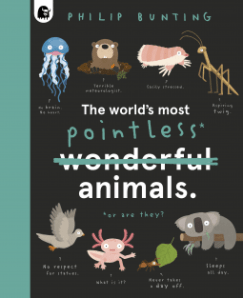
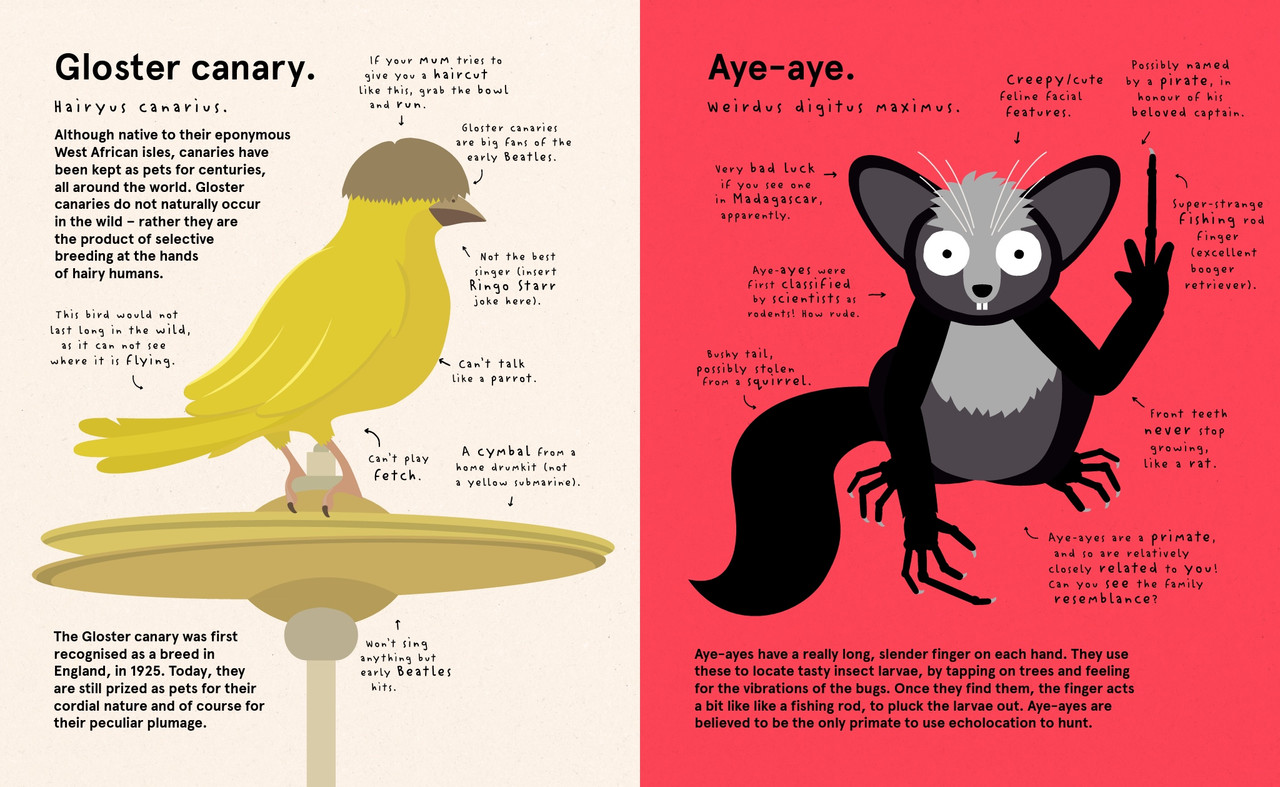
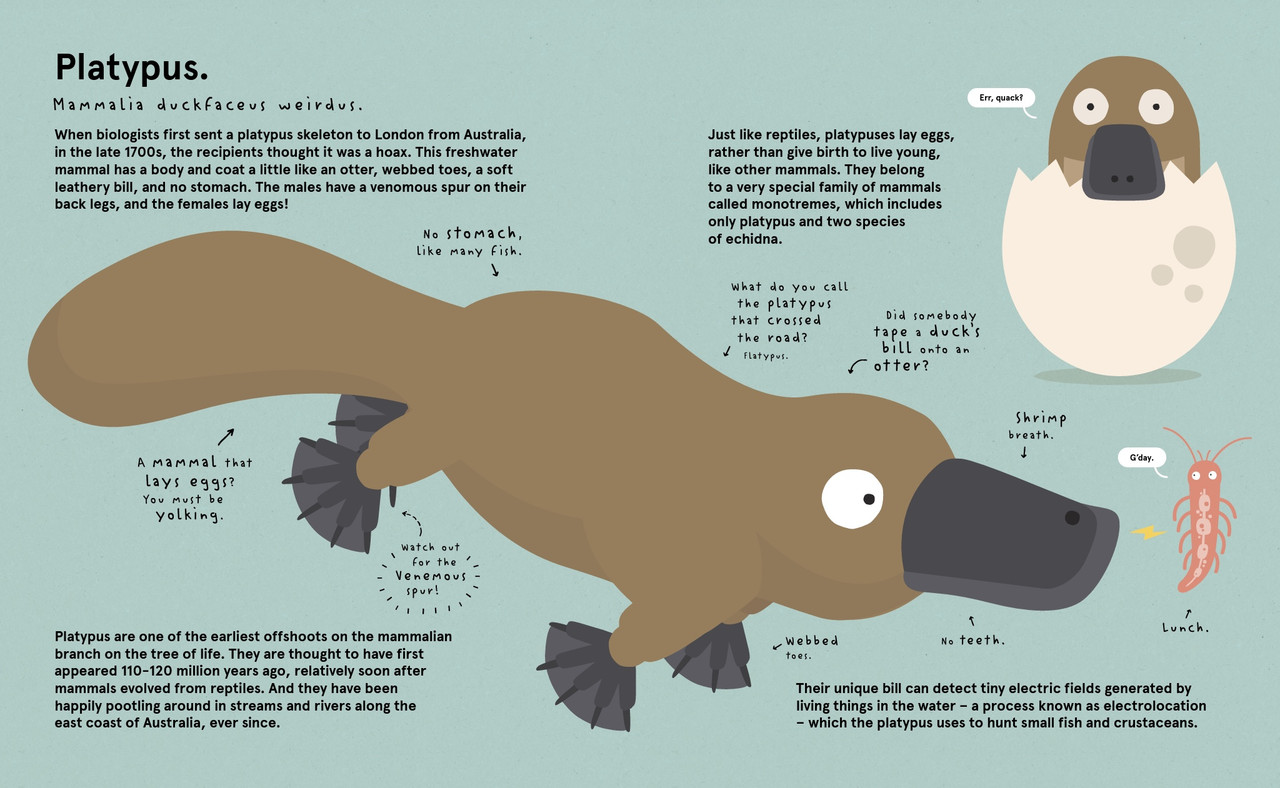
I’m not sure how well this book will work with its target audience (one website says 4+, others say 5 to 8 years). I didn’t find the humour funny, although kids may. I think some references will go straight over the heads of many kids. Have kids that age even heard of The Beatles?
Terms that adults would understand could confuse younger readers, especially without a glossary to refer to. A quokka is said to be a “pseudo-roo”. About the myotonic goat: “Somebody should teach them about the fight or flight response.” Do you want to explain to your 5 year old what it means for a stick insect to be “amorous”?
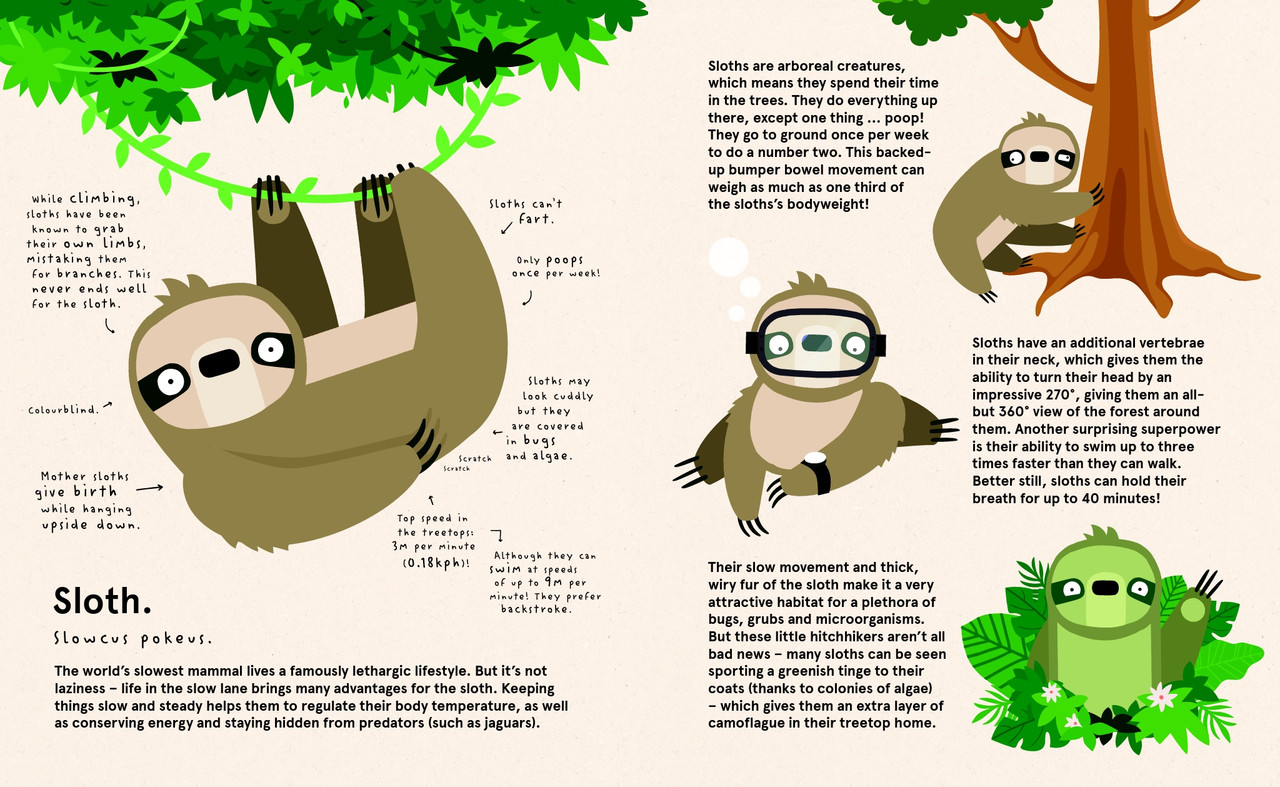
The illustrations are colourful and the animals are cute. I particularly liked the platypus and sloth.
Thank you so much to NetGalley and Happy Yak, and imprint of Quarto Publishing Group – Frances Lincoln Children’s Books, for the opportunity to read this book.
⭐⭐⭐
Rating: 3 out of 5.
Once Upon a Blurb
The World’s Most Pointless Animals is a witty, quirky, colourfully-illustrated book featuring fascinating facts about some very silly animals … who we find are perhaps not so pointless after all.
From familiar animals like giraffes (who don’t have any vocal cords) through to those that surely should not even exist, such as the pink fairy armadillo (absurdly huge front claws, super tough protective shell in baby pink, particularly susceptible to stress), our planet is full of some pretty weird and wonderful animals. For example:
Koalas spend up to 18 hours a day asleep!
Pandas are born bright pink, deaf, and blind.
Dumbo octopuses flap their big fin-like ears to move around.
A Narwhal’s tusk grows through its upper lip – ouch!
With hilarious text throughout and bright, contemporary illustrations, this guide to absurdly awesome animals contains funny labelled diagrams and some excellent made-up Latin names (N.B. The jellyfish’s scientific name is not actually wibblious wobblious ouchii).
Carrying an important message of celebrating diversity and differences, The World’s Most Pointless Animals inspires a drive to conserve our amazing planet and the creatures we’re lucky enough to share it with.
“Can [a woman] not even think her own thoughts, and speak her own words, unless her thoughts and expressions harmonize with those of her husband?”
Taking inspiration from the #MeToo movement, Kate Moore delved into the history of women who, more often than not, have been labelled ‘crazy’ and silenced for speaking the truth. Kate wondered if there was a woman whose perseverance, despite everything that was done to discredit her, prevailed.
She found Elizabeth Packard who, in 1860, was taken against her will to Jacksonville Insane Asylum, two hundred miles from her home, because of her “excessive application of body & mind.” The person who was responsible for this injustice was her husband of 21 years and the father of her six children.
The evidence of her so called insanity?
“I, though a woman, have just as good a right to my opinion, as my husband has to his.”
Elizabeth, after being a dutiful wife, mother and homemaker for almost all of her adult life, heard about the women’s rights movement and gave herself permission to think for herself. She also disagreed with her preacher husband about matters of religion and, with her great intellect and her persuasive arguments, he was afraid of the consequences of her speaking her mind.
This was a time when most states “had no limits on relatives’ “right of disposal” to commit their loved ones”, where an insanity trial had to take place before you were admitted to a state hospital (but not if you were a married woman) and where “married women had no legal identities of their own.”
The thought of me living in 1860 terrifies me. I’m certain I too would have been institutionalised and I don’t know I would have been able to sustain the fortitude that Elizabeth displayed. Don’t think that you wouldn’t have also been at risk of such a fate, as
one common cause of committal to an asylum in Elizabeth’s time was “novel reading.”
In the asylum, Elizabeth met other patients, including other sane women who had been trapped there for years, similarly pathologised for their personality. The asylum served as a “storage unit for unsatisfactory wives”. She also witnessed patients being abused by the staff.
Elizabeth was determined to prove that she was sane and secure her release from the asylum. She also wanted to enact change that would see her new friends also released and to protect the mentally ill from abuse. But what Elizabeth wanted more than anything was to be able to parent her children again.
This is a thoroughly researched and well written account of the life of a woman I’m sad to say I had never heard of before but will certainly not forget.
So in the end, this is a book about power. Who wields it. Who owns it. And the methods they use.
And above all, it’s about fighting back.
Thank you so much to NetGalley and Sourcebooks for the opportunity to read this book.
⭐⭐⭐⭐⭐
Rating: 4.5 out of 5.
Once Upon a Blurb
From the New York Times, USA Today, and Wall Street Journal bestselling author of The Radium Girls comes another dark and dramatic but ultimately uplifting tale of a forgotten woman whose inspirational journey sparked lasting change for women’s rights and exposed injustices that still resonate today.
1860: As the clash between the states rolls slowly to a boil, Elizabeth Packard, housewife and mother of six, is facing her own battle. The enemy sits across the table and sleeps in the next room. Her husband of twenty-one years is plotting against her because he feels increasingly threatened – by Elizabeth’s intellect, independence, and unwillingness to stifle her own thoughts. So Theophilus makes a plan to put his wife back in her place. One summer morning, he has her committed to an insane asylum.
The horrific conditions inside the Illinois State Hospital in Jacksonville, Illinois, are overseen by Dr. Andrew McFarland, a man who will prove to be even more dangerous to Elizabeth than her traitorous husband. But most disturbing is that Elizabeth is not the only sane woman confined to the institution. There are many rational women on her ward who tell the same story: they’ve been committed not because they need medical treatment, but to keep them in line – conveniently labeled “crazy” so their voices are ignored.
No one is willing to fight for their freedom and, disenfranchised both by gender and the stigma of their supposed madness, they cannot possibly fight for themselves. But Elizabeth is about to discover that the merit of losing everything is that you then have nothing to lose…
What I’ve learned from my time writing about weird animals is that there is always something weirder than you could have ever imagined just around the corner.
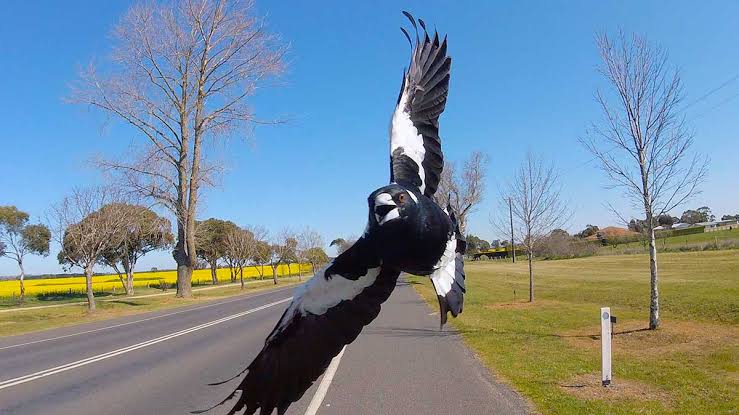
Australia is known for its wildlife, from the kangaroos we ride to school (not a thing; sorry) to drop bears (you can read all about them in this Australian Geographic article posted on 1 April 2021). You might fear our deadly spiders and snakes but the animal that’s most likely to scare an Australian is a territorial magpie during swooping season.
I love books about animals that are classified as weird and wonderful so it’s a special treat for me to find a book about the weird, wonderful creatures that live in Australia. It seems perfectly fitting that this book was published on my Nan’s birthday, who was her own special blend of weird and wonderful. (You would have loved her! And she would have loved me calling her weird and wonderful.)
Because I can’t help myself, I’m going to tell you a few of my favourite facts from each section of this book.
Mammals
Ningaui are small carnivorous marsupials that are named for an “Aboriginal legend that describes imp-like creatures that live in the mangroves and lure passers-by to their deaths, consuming them raw.”
Cuvier’s Beaked Whale, which is found around the world in tropical and temperate waters, holds the records for the deepest (2992m or 9816 feet) and longest (138 minutes) dives performed by a mammal.
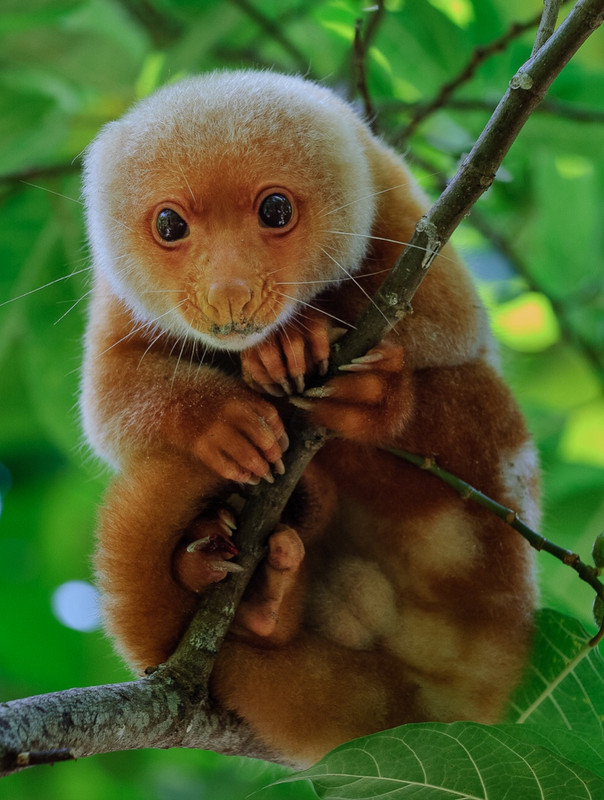
Common Spotted Cuscus sleep high in trees with their head between their legs. In what seems to be an ingenious way to camouflage themselves, they wrap leaves around themselves.
Fish and Sea Creatures
Bubble Algae are “one of the largest single-celled organisms on Earth”, with a diameter of up to 9cm (3.5 inches).
Banded Archerfish are omnivores whose diet consists of food found both in and out of the water. They can shoot ‘spit missiles’ (jets of water) at insects up to 3 metres (almost 10 feet) away to knock them off branches and into the water.
Blanket Octopus females can grow up to 2 metres (6.5 feet) long and 10kg (22 pounds), whereas males are only 2.4cm (just under 1 inch).
Invertebrates
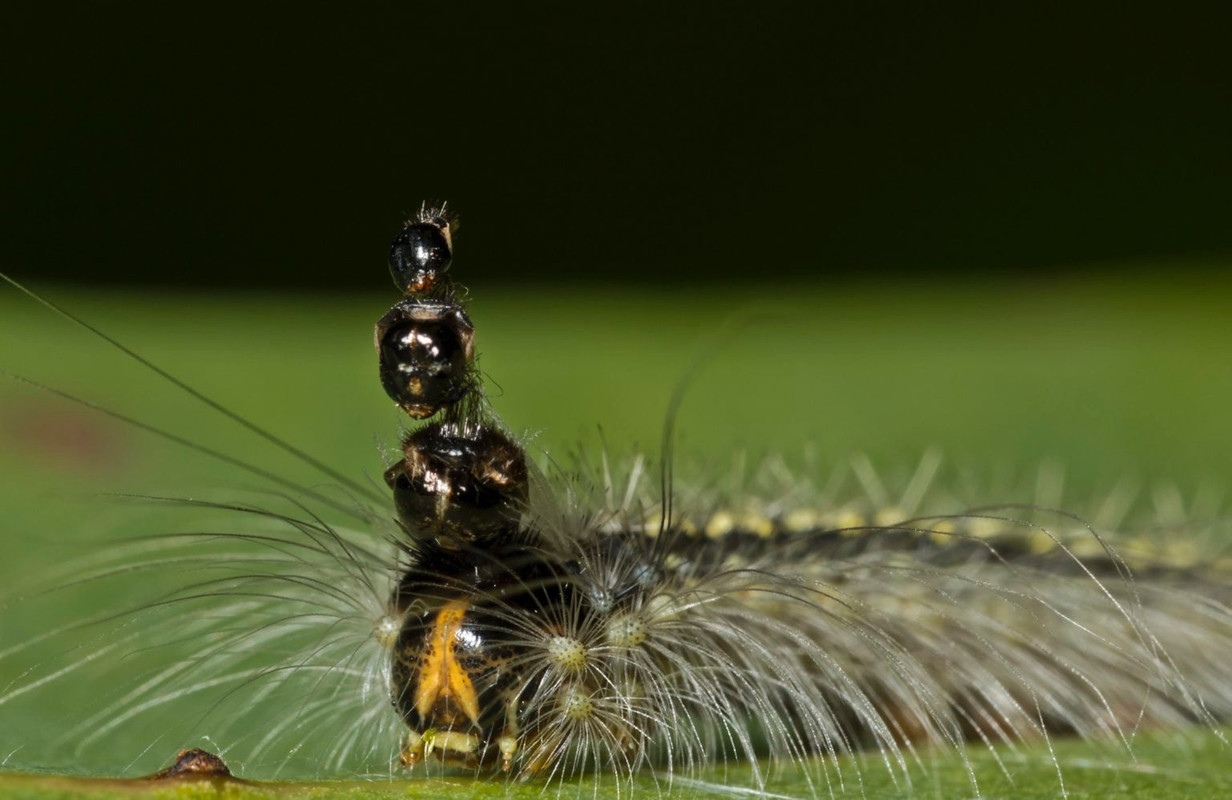
The Head-Stacking Caterpillar, the larvae of the gumleaf skeletoniser moth, moults their exoskeletons as it grows. It stacks its shedded heads on top of one another and wears them like hats.
If a Hammerhead Worm is “cut into bits, either lengthwise or across its body, each piece will become a new, perfectly functional worm over the course of two or three weeks.” I don’t want to meet the sadist that discovered this.
Leichhardt’s Grasshopper apparently taste awful because they only eat bitter-tasting plants.
Birds
A young Apostlebird will stay with its parents for 200 days.
The Nankeen Kestrel is the only bird of prey that can hover.
The Whistling Kite spread bushfires, “carrying lit twigs in their beaks and claws, to flush out exhausted and confused prey.”
Reptiles and Amphibians
Never having evolved the ability to survive on land, the Yellow-Bellied Sea Snake is the “most aquatic snake in the world”.
The Crucifix Frog is “one of the only species of Australian frog to employ aposematism, which is the use of bright patterning to ward off predators.”
The eyesight of geckos is 350 times better than ours and they can see in full colour in moonlight. The Golden-Tailed Gecko squirts a “putrid, sticky liquid from their tails straight at any would-be predators.”
I don’t know how it’s possible that I’ve lived my entire life in Australia and I’ve never come across or even heard of most of these animals before. I definitely want to check out the Australian Geographic Creatura blog to see what other wonders are in the neighbourhood.
⭐⭐⭐⭐⭐
Rating: 5 out of 5.
Once Upon a Blurb
There’s no doubt that Australia has more than its fair share of weird and wonderful animals – just think about the platypus – but the true diversity of our wildlife is more extraordinary than you might imagine. There’s the caterpillar that wears its old head shells as a macabre hat, the cuscus that wraps itself in a leafy camouflage while sleeping and the fish that targets prey with a high-powered jet of water. In this collection of stories from Australian Geographic blog Creatura, science writer Bec Crew celebrates the strange behaviours, special adaptations and peculiar features of our amazing Australian creatures.
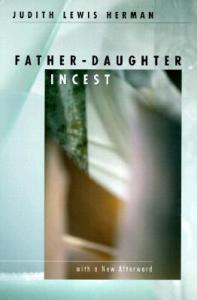
I didn’t originally plan on reading this book. I was actually wanting to read Herman’s Trauma and Recovery, which I’ve heard spoken of as one of the go to books about trauma. I’m not sure if this is a geographical problem or not but when I went to buy a Kindle copy of that book I discovered it didn’t exist. I then decided to see what else Herman had written and came across this book, which was available on Kindle. Thinking there’d probably be significant overlap between the two I decided to dive right in. Without having read Trauma and Recovery yet I can’t say for sure but I’m guessing they’re quite different books.
Although I’ve read quite a few fiction and non-fiction books about sexual assault, I haven’t read a great deal specifically about incest. I often feel as though the gears move almost imperceptibly slowly where sexual assault is concerned, from the attitudes that surround it to practical help for survivors and reforms to the legal system.
I usually read recently published books that explore sexual assault so to encounter things I take for granted as revolutionary ideas was a whole new experience. At once a history lesson and confirmation of how important early studies into taboo subjects are in shining light into the darkness, this might not have been the book I was expecting to read but I still took a lot away from it.
Much of the information I came across in this book, which was groundbreaking when it was first published in 1981, read to me as either common sense or confirmation of information I’ve already come across. I found that encouraging because it proved we are actually making progress, even though it doesn’t always feel that way.
This book came about as a result of two women, Lisa Hirschman and the author, speaking in 1975 about the patients they’d both encountered who had disclosed a history that included incest. Both women contributed to the research but it was Judith Lewis Herman who eventually wrote this book.
Since nothing satisfactory seemed to have been written about father-daughter incest, we were finally driven to write about it ourselves.
This book is divided into three parts:
Using “survey data, clinical material, anthropological literature, popular literature, and pornography”, the author takes a look at the history of how society has dealt with incest. Spoiler: not well at all. From Freud lying about his own findings to pretty much anyone who could have have a positive influence on the lives of survivors instead discrediting, disbelieving and downright pathologising them, it’s a wonder survivors have had the courage to speak at all.
I know I don’t want to hear it. I have no idea what to do with these cases. And I don’t think I’m unusual.
Quote from a therapist
The author and Hirschman conducted their own clinical study, interviewing forty survivors of incest and twenty women whose “fathers had been seductive but not overtly incestuous”. Yes, I cringed every time I read the word ‘seductive’ in this context.
Consumed with inner rage, they nevertheless rarely caused trouble to anyone but themselves. In their own flesh, they bore repeated punishment for the crimes committed against them in childhood.
Dealing with the “social responses to discovered incest”, this section explores crisis intervention, family treatment and prosecution. This section also talks about prevention.
As long as fathers rule but do not nurture, as long as mothers nurture but do not rule, the conditions favoring the development of father-daughter incest will prevail.
The studies referred to throughout the book are mostly from the 1970’s and those discussed in the afterward, which was written in 2000, were predominantly published in the 1990’s. I’d be interested, now that another twenty years have passed, to find out what else has been learned, confirmed or disproven.
Although I’m cautiously optimistic that we’re still moving in the direction of more openness and less stigma for survivors of incest, I’m also very much aware that this topic remains taboo. It was telling for me when I compared the Goodreads statistics of this book and Herman’s Trauma and Recovery.
At the time of writing this review, Trauma and Recovery has almost 11,000 ratings and over 450 reviews. This book, in contrast, has just over 100 ratings and about a dozen reviews. I wonder if so few people have read this book, which was first released about a decade prior to Trauma and Recovery, or if many readers have chosen not to add this book to their Goodreads shelves, not wanting to admit they read a book about this topic…
The abuses have gone on for too long. Too many survivors have disclosed their secrets. It is too late now to go back to silence.
⭐⭐⭐⭐
Rating: 4 out of 5.
Once Upon a Blurb
Through an intensive clinical study of forty incest victims and numerous interviews with professionals in mental health, child protection, and law enforcement, Judith Herman develops a composite picture of the incestuous family. In a new afterword, Herman offers a lucid and thorough overview of the knowledge that has developed about incest and other forms of sexual abuse since this book was first published.
Reviewing the extensive research literature that demonstrates the validity of incest survivors’ sometimes repressed and recovered memories, she convincingly challenges the rhetoric and methods of the backlash movement against incest survivors, and the concerted attempt to deny the events they find the courage to describe.
The Ploofers are back and they’ve continued to add some colour to their lives thanks to the SHOOF! Ploofer from A Little Bit Different. Now the Ploofers are ready to try something new. But Little One is scared of attempting this new thing.
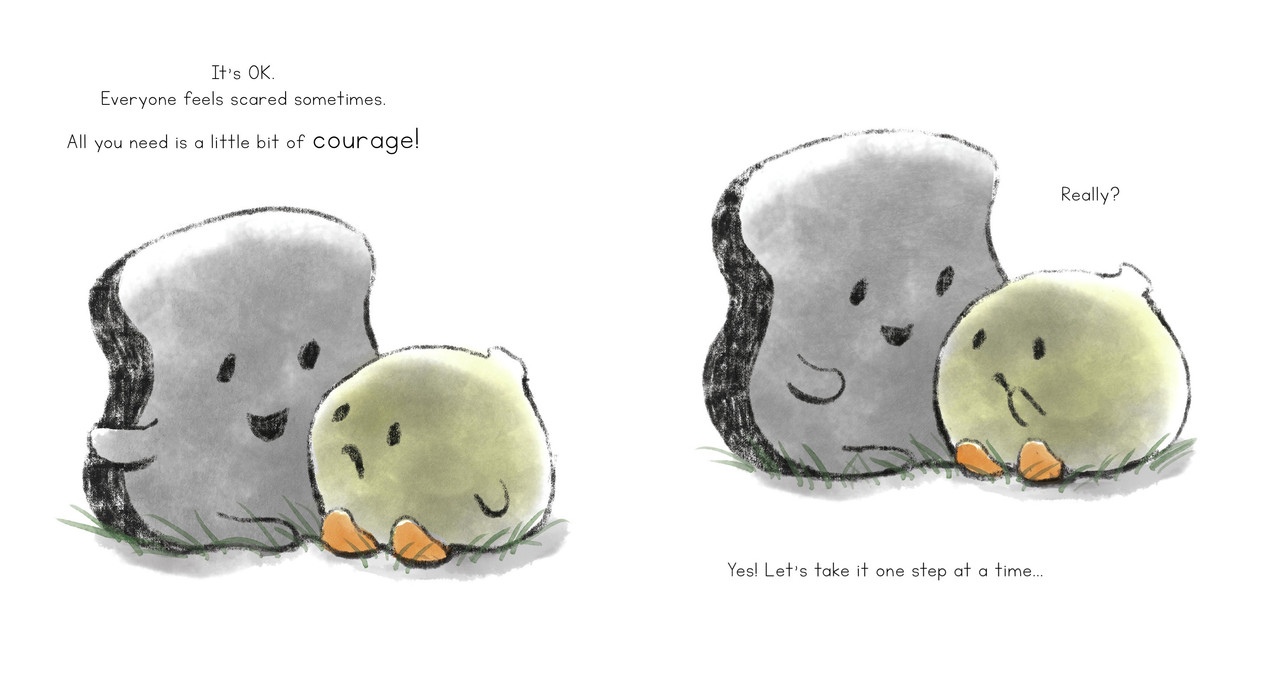
Luckily Toasty, my favourite carb cheerleader, is also back and ready to provide Little One with some much needed support. I absolutely love that Toasty acknowledges Little One’s anxiety and reassures them that everyone gets scared.
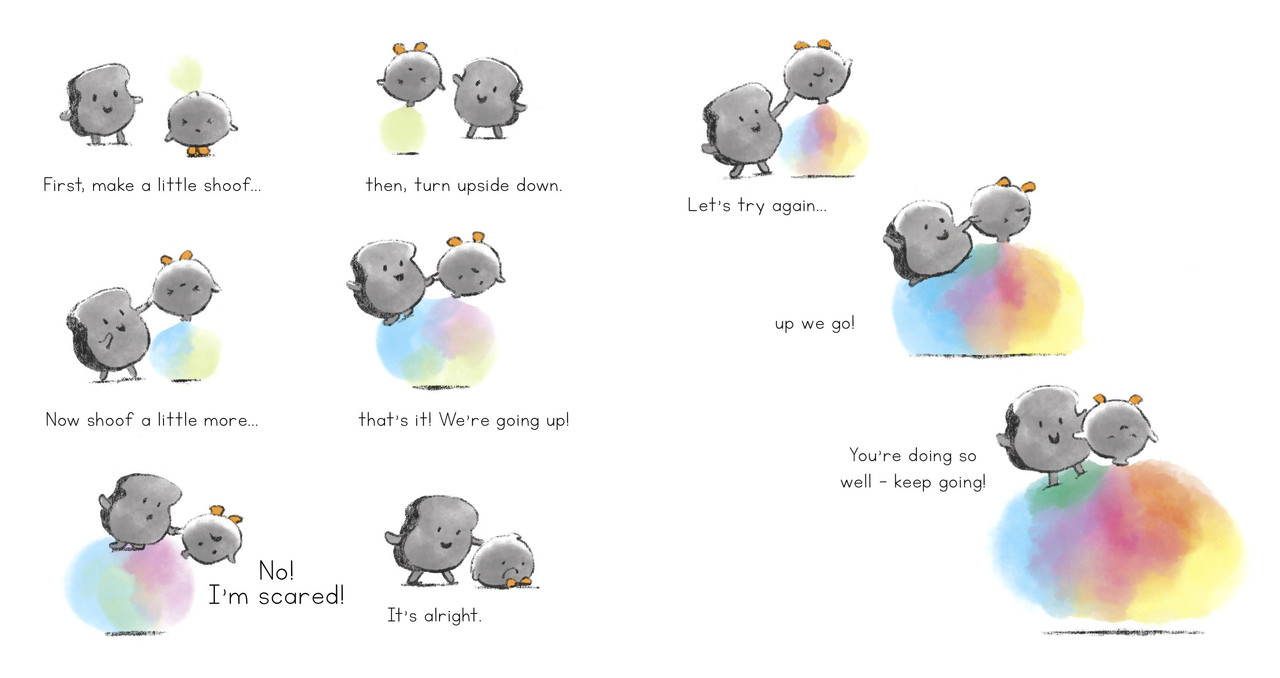
Little One isn’t left to face their fear alone. Toasty remains by their side, supporting and encouraging them as they bravely attempt the thing they didn’t think they could do.
Toasty reminded me that it’s okay to accept help, that you don’t have to face the scary things in life alone.
My favourite part of Little One’s story is that he doesn’t overcome his fear on his first attempt. It is through perseverance that Little One succeeds. His fear doesn’t magically go away because he decides to try the scary thing; doing the thing even though you’re scared is what being brave is all about.
I need more of Toasty and the Ploofers in my life!
Thank you so much to NetGalley and Happy Yak, and imprint of Quarto Publishing Group – Frances Lincoln Children’s Books, for the opportunity to read this picture book.
⭐⭐⭐⭐⭐
Rating: 5 out of 5.
Once Upon a Blurb
In this follow-up to the beloved picture book A Little Bit Different, the Ploofers are back for a heartwarming exploration of fear and finding courage.
The Ploofers have just learned a valuable lesson in celebrating differences and trying new things. They’ve been practicing something very special again and this time it requires extra teamwork… But Little One is too scared to go on this new adventure. Will some kind and encouraging words from Toasty help him find a little bit of courage?
With simple, striking illustrations and a cutaway cover design that adds tactile interest, A Little Bit of Courage picks up right where A Little Bit Different left off. With a subtle yet powerful message on overcoming anxiety and finding the courage to live life to its fullest, this book will resonate with children and adults alike.
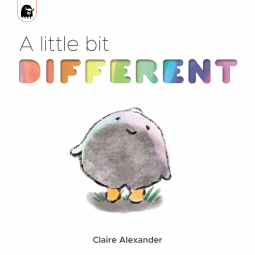
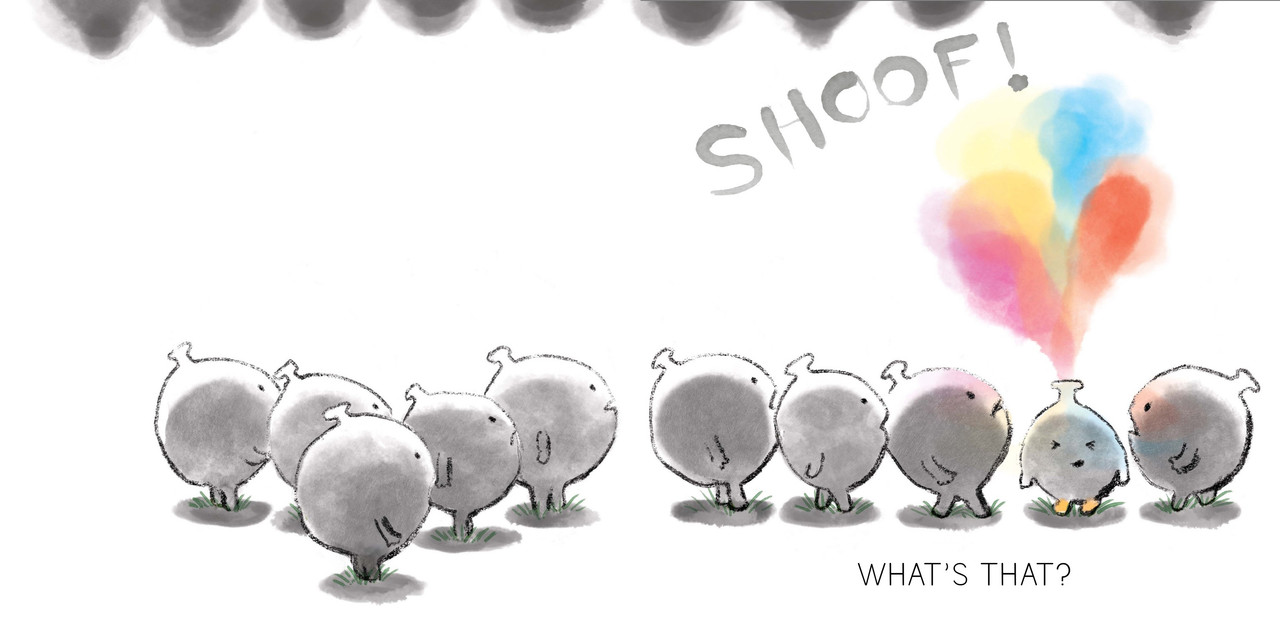
The Ploofers all PLOOF! Except for one, whose PLOOF! is a SHOOF! This Ploofer loves the thing that makes them different … until the rest of the Ploofers question it.
The other Ploofers all think the SHOOF! is weird. It’s outside of their comfort zone because they haven’t seen a SHOOF! before.
The judgement of the other Ploofers makes the SHOOF! Ploofer sad. They wonder why the other Ploofers aren’t accepting of the thing that makes them different.
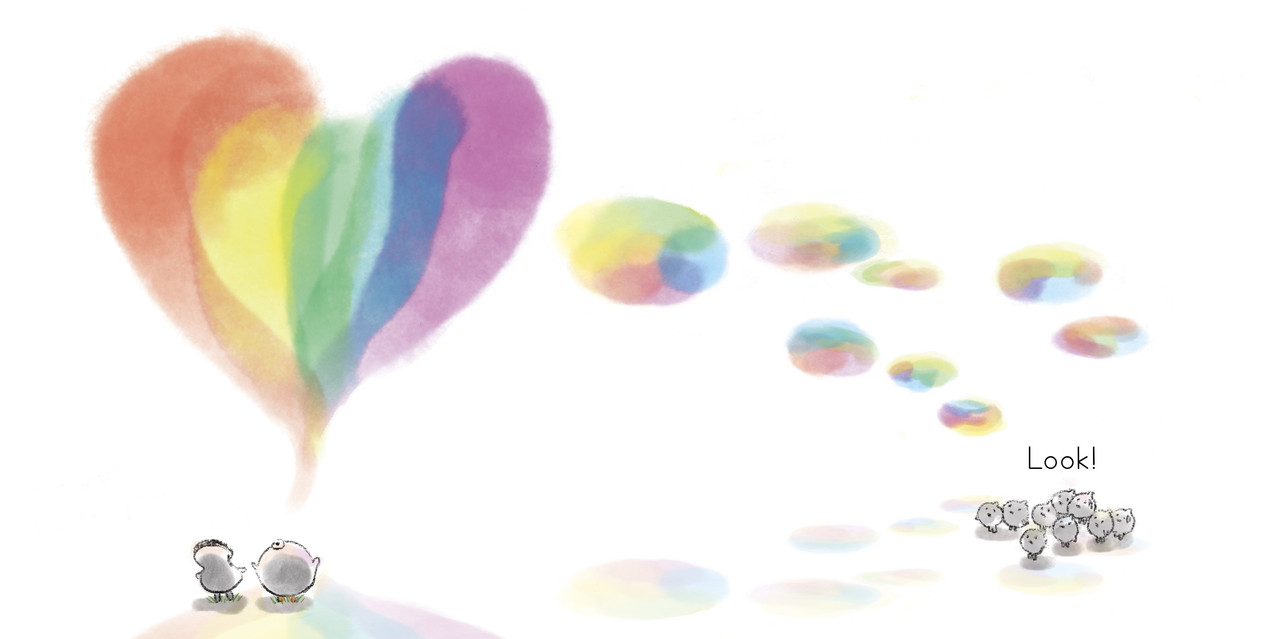
It isn’t until Toasty recognises the beauty of this Ploofer’s SHOOF! and encourages them to embrace their difference that the SHOOF! Ploofer regains their confidence.
I loved the SHOOF! Ploofer and the message that it’s okay to be different. It can be scary to have the courage to be yourself, especially when the way you express yourself is outside of the norm, but there will always be those like Toasty who will value you for who you are.
Although the other Ploofers originally shy away from what is new, eventually they realise that different doesn’t automatically equal bad. By accepting the Ploofer who is different, the rest of the Ploofers learn acceptance and in doing so their own lives are brightened.
I naturally rebel against any system that asserts that because this is the way we’ve always done something, that’s the only way it can be done. You shouldn’t have to hide your unique gifts just because some other Ploofers are unwilling to think outside of the box. Meaningful change can come when we open ourselves up to possibilities we haven’t considered before.
I’m all for anything that celebrates diversity. In this book, it’s diversity of expression that’s addressed but this can be applied to all forms of diversity.
Thank you so much to NetGalley and Happy Yak, an imprint of Quarto Publishing Group – Frances Lincoln Children’s Books, for the opportunity to read this picture book.
⭐⭐⭐⭐⭐
Rating: 5 out of 5.
Once Upon a Blurb
A light and fun story depicting the journey from ignorance to acceptance and celebration. A Little Bit Different by Clare Alexander is a beautiful story exploring acceptance and joy in being different.
Meet the ploofers. The ploofers have been practicing something special which they all want to do at the exact same time – but wait! What’s that? One of them does something different! When one little ploofer goes against the usual flow of things, the rest of them turn their backs on him. But all it takes is for one person to recognise the beauty in being different to spark a change in attitude of everyone.
With simple and striking illustrations, A Little bit Different is a joyful reading experience for both you and your child, with the opportunity to spark more meaningful discussions about people’s differences and how we accept and value them.
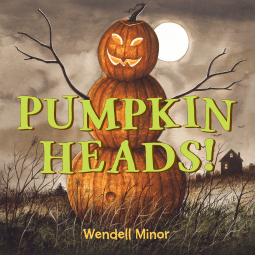
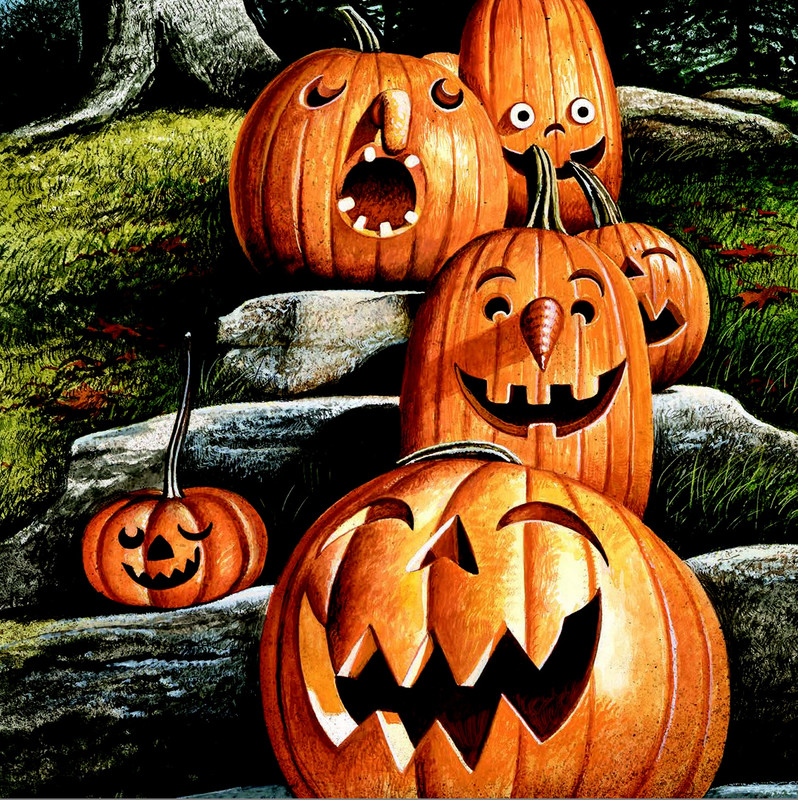
The illustrations are everything in this book, so detailed and realistic. Each of the pumpkin heads have so much personality, providing inspiration for cute, creepy and whimsical designs. The text is very sparse, making this an ideal book to introduce young children to this aspect of Halloween.
There‘s a pumpkin snowman (I want to frame this picture), scarecrow, witch and cowboy, along with those that are expressing a variety of feelings.
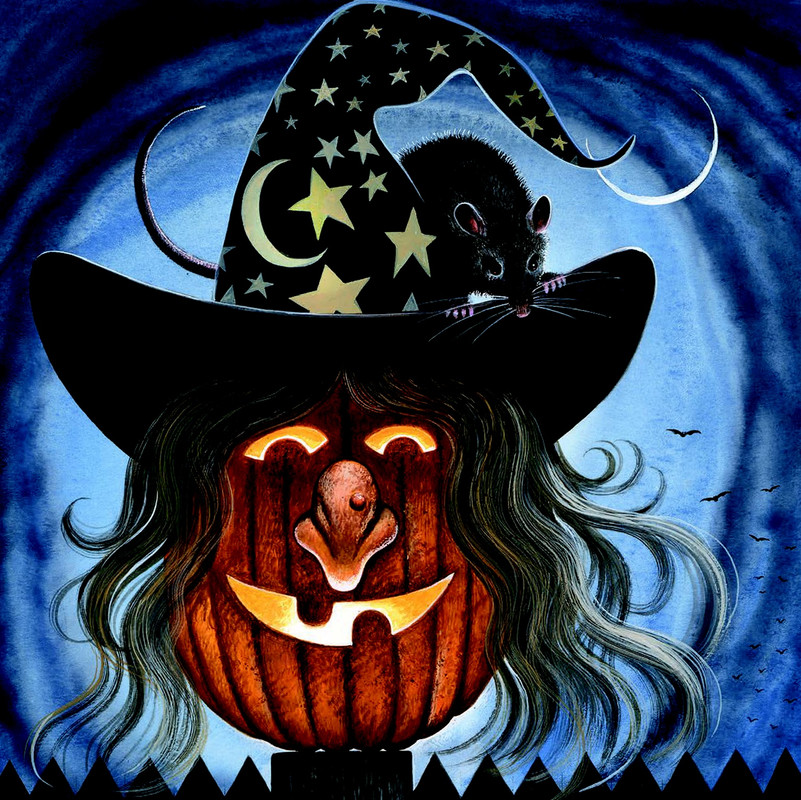
I particularly loved the witch
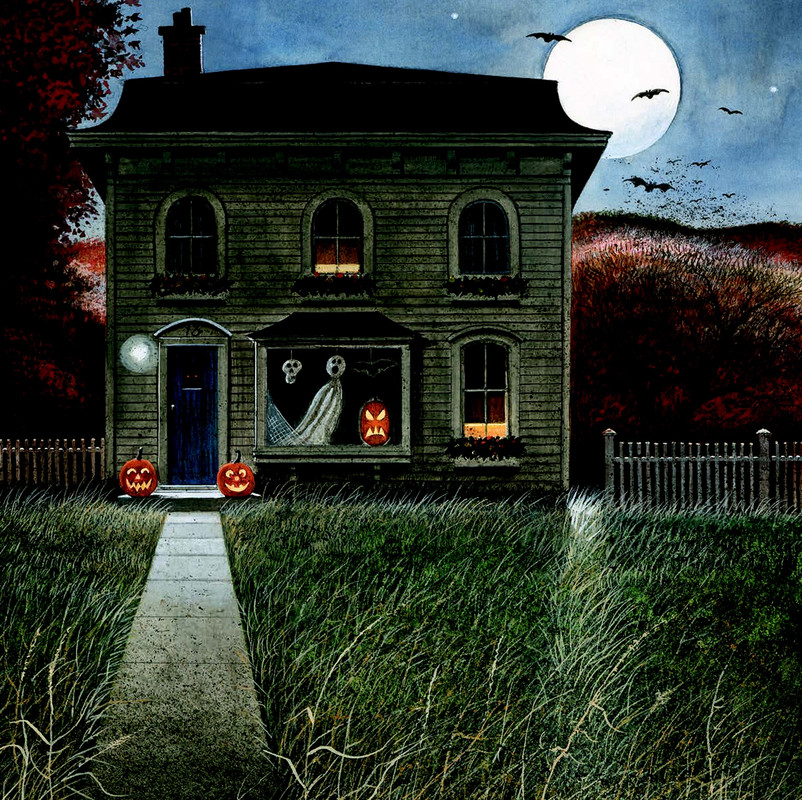
and the haunted house.
Thank you so much to NetGalley and Charlesbridge for the opportunity to read this picture book.
⭐⭐⭐⭐⭐
Rating: 5 out of 5.
Once Upon a Blurb
Halloween is time to pick pumpkins and carve them into pumpkin heads – jack-o’-lanterns of every shape and size!
Award-winning author and artist Wendell Minor uses simple language and striking autumn settings to celebrate pumpkin heads in this reissue of a Halloween classic.






 Schizanthus Nerd